Barrier-free accessibility is tested in motion, not just on paper
02.10.2026
Articles
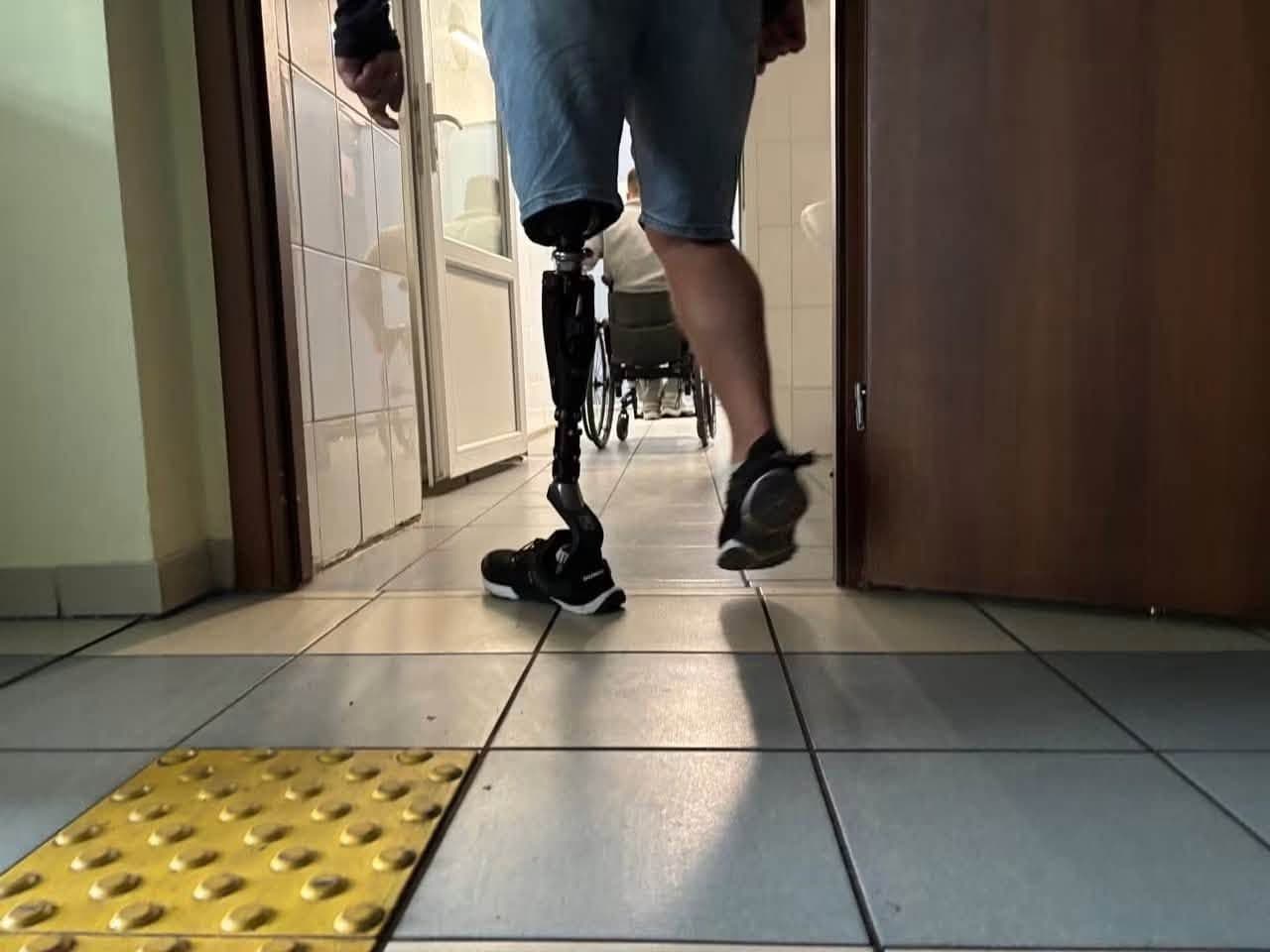
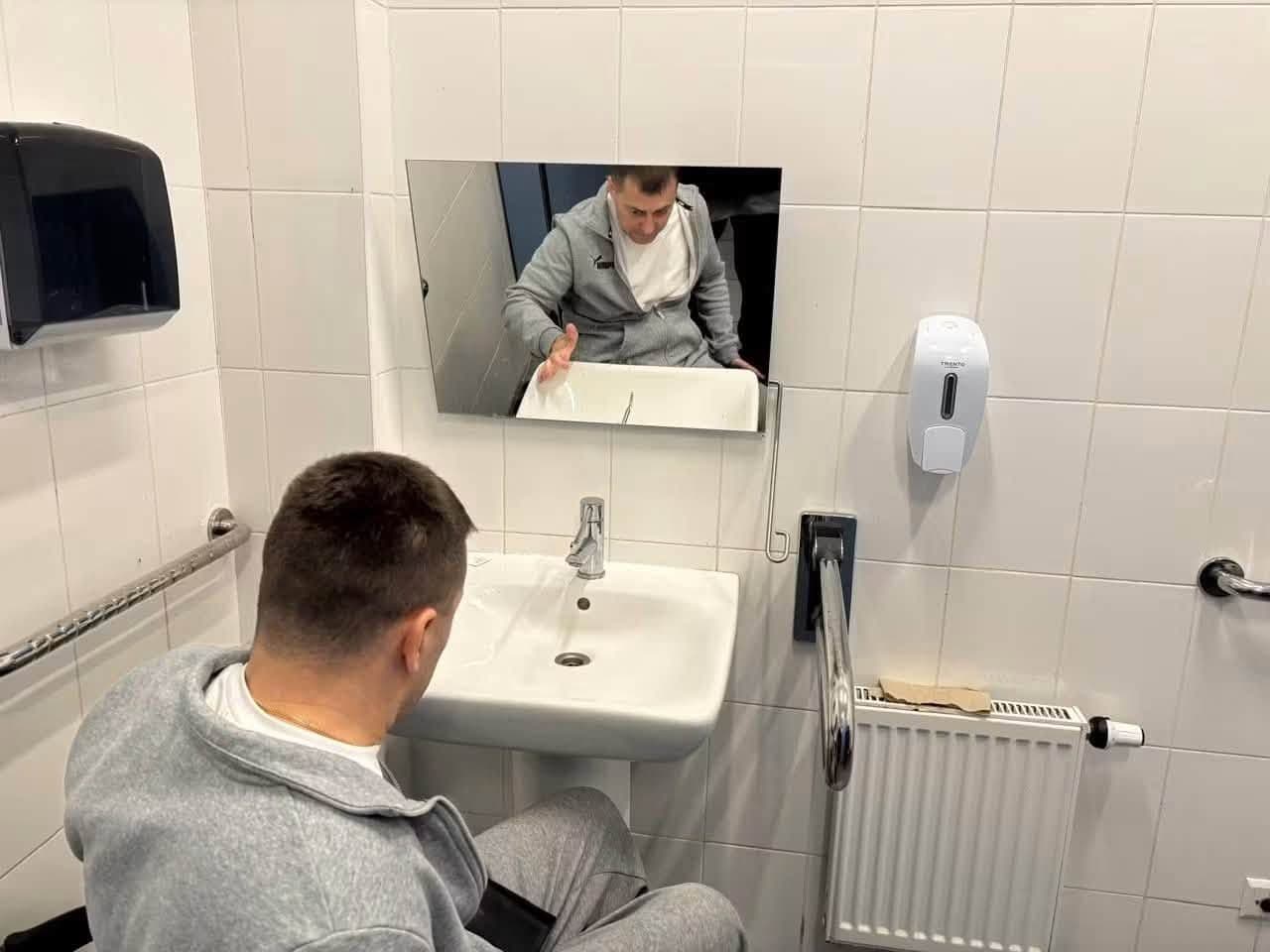
Can a person in a wheelchair enter the building independently? Is there enough room to maneuver inside? Is the restroom convenient to use? Is the route safe for someone with a prosthesis?
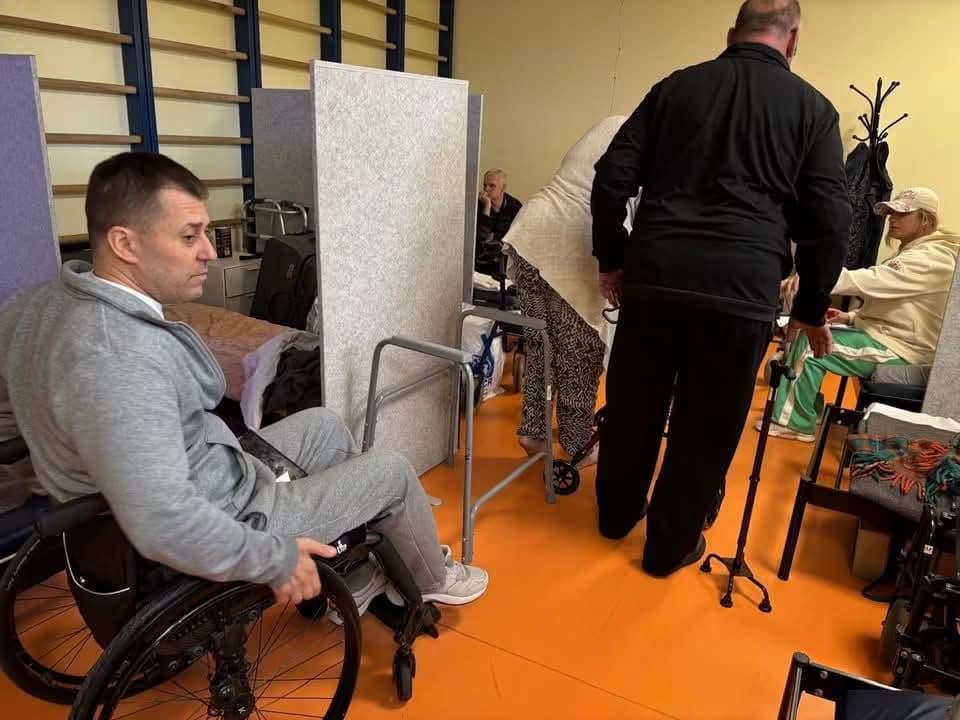
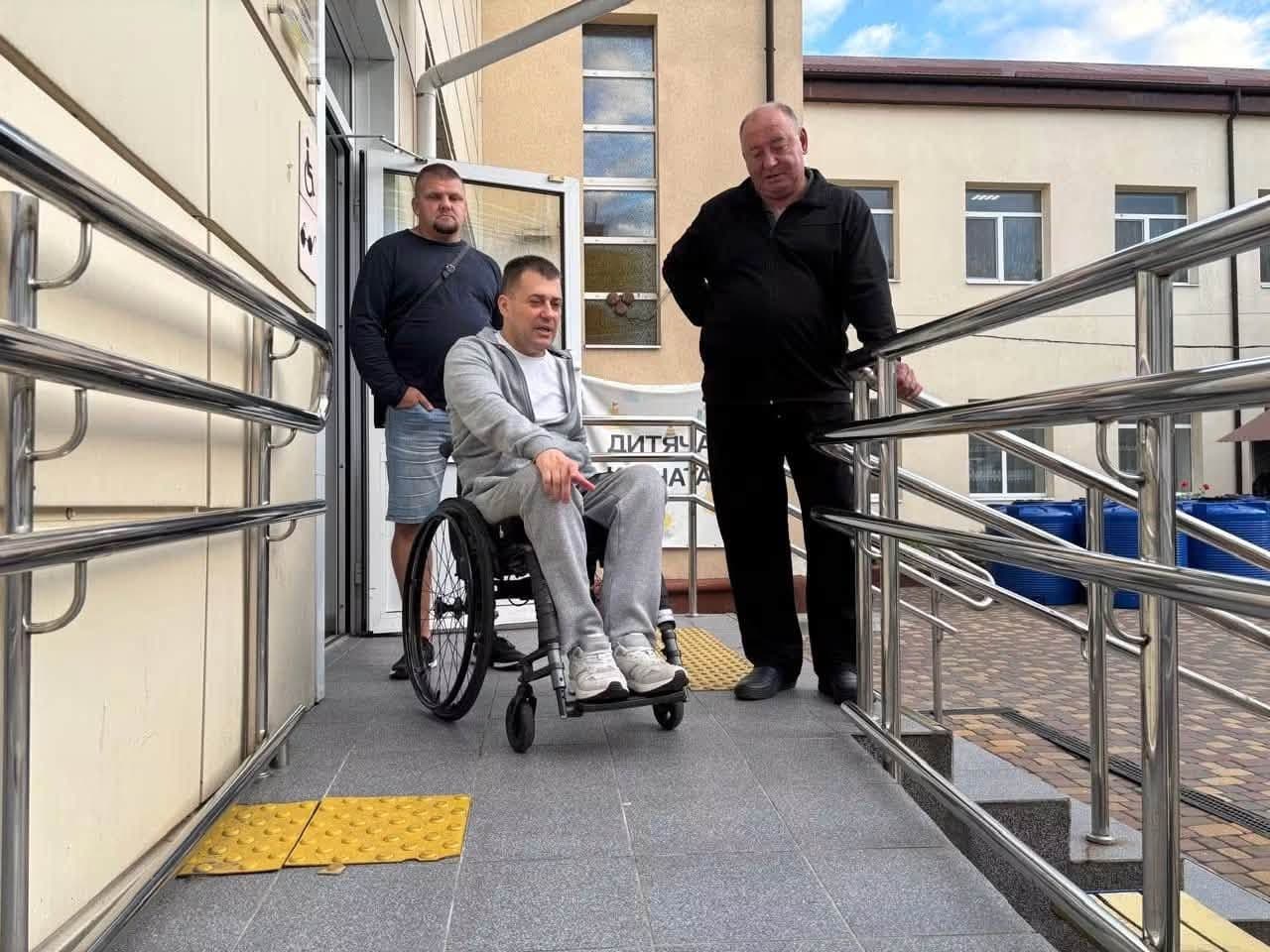
This is precisely how the accessibility of the Transit Center in Voloske village (Dnipro district, Dnipropetrovsk region) was tested—in practice.
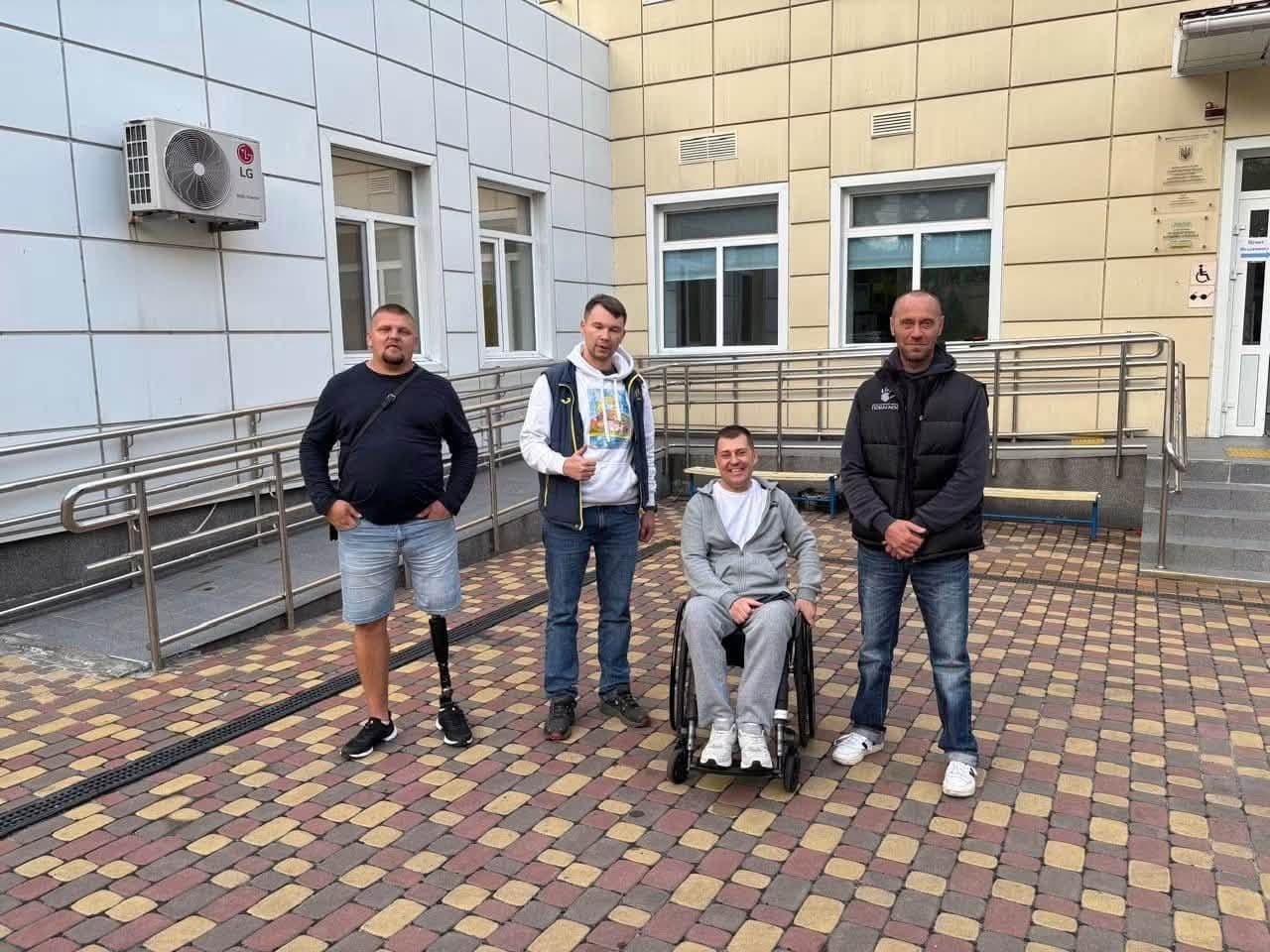
The inspection involved Mykola Nadulichnyi, Head of the "Luhansk Association of Organizations of Persons with Disabilities," an ambassador for the "Movement Without Barriers" project and an expert on the National Strategy for Creating a Barrier-Free Environment in Ukraine.
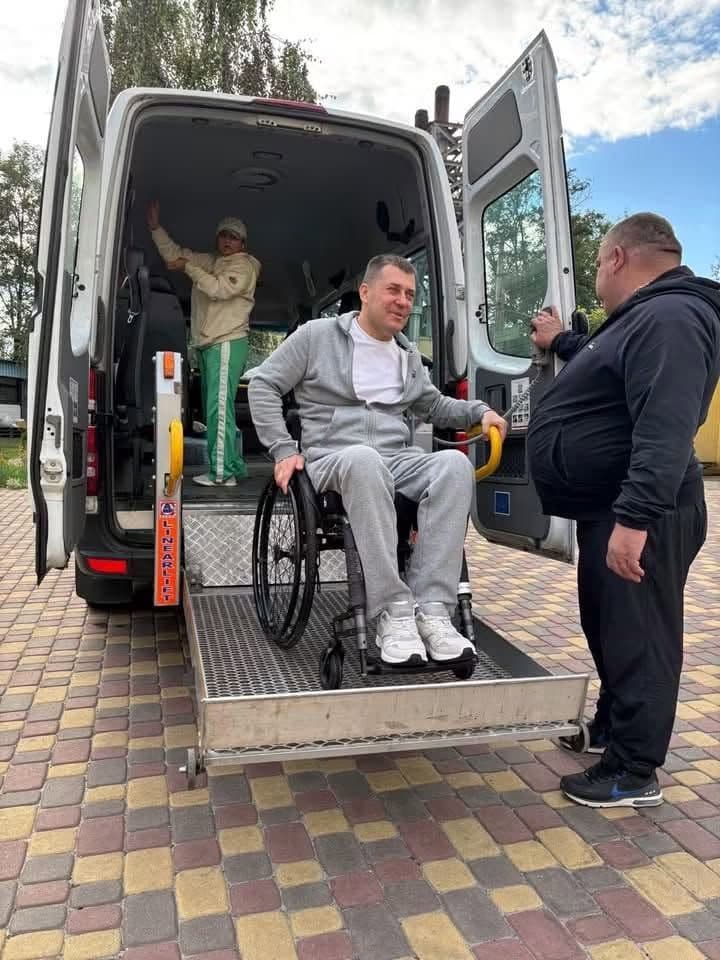
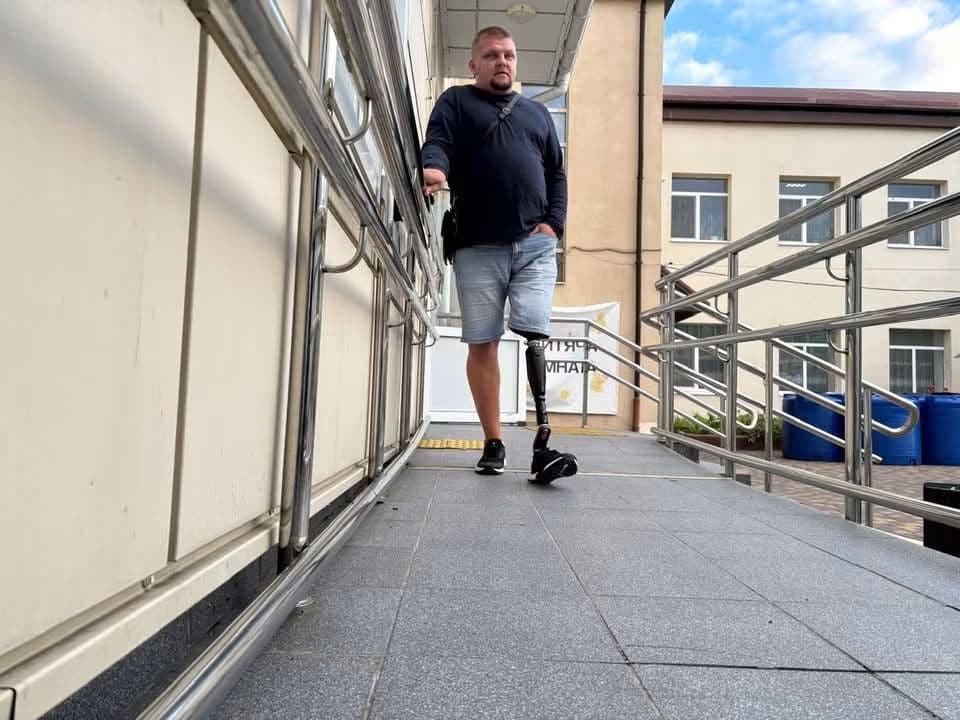
Together with other participants, Mykola Nadulichnyi did more than just look at the premises; they traversed the center’s main routes exactly as various people would on a daily basis.
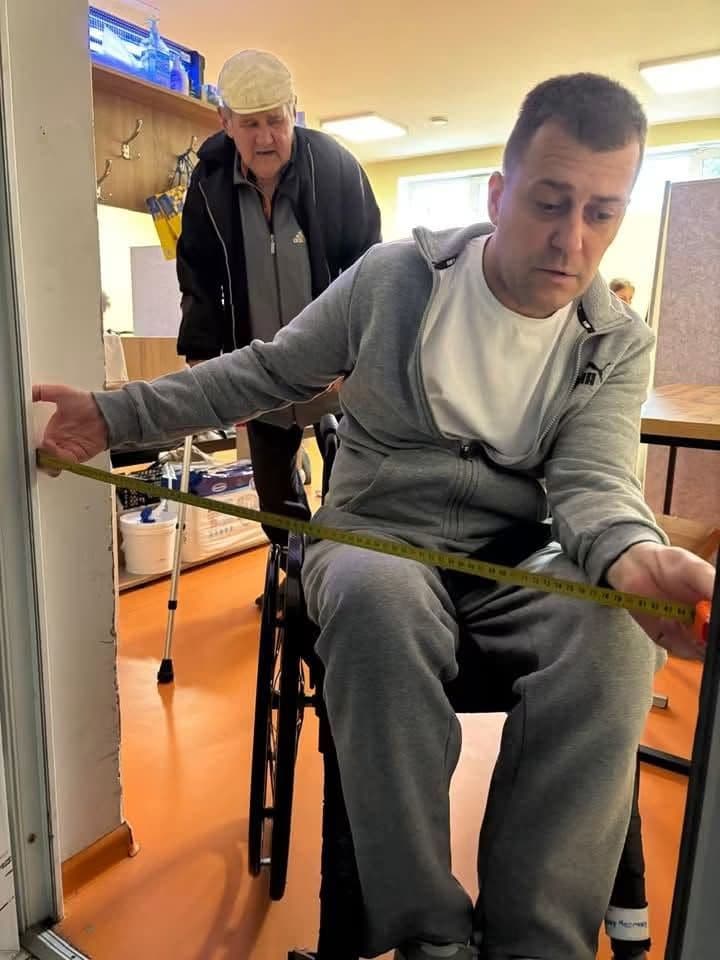
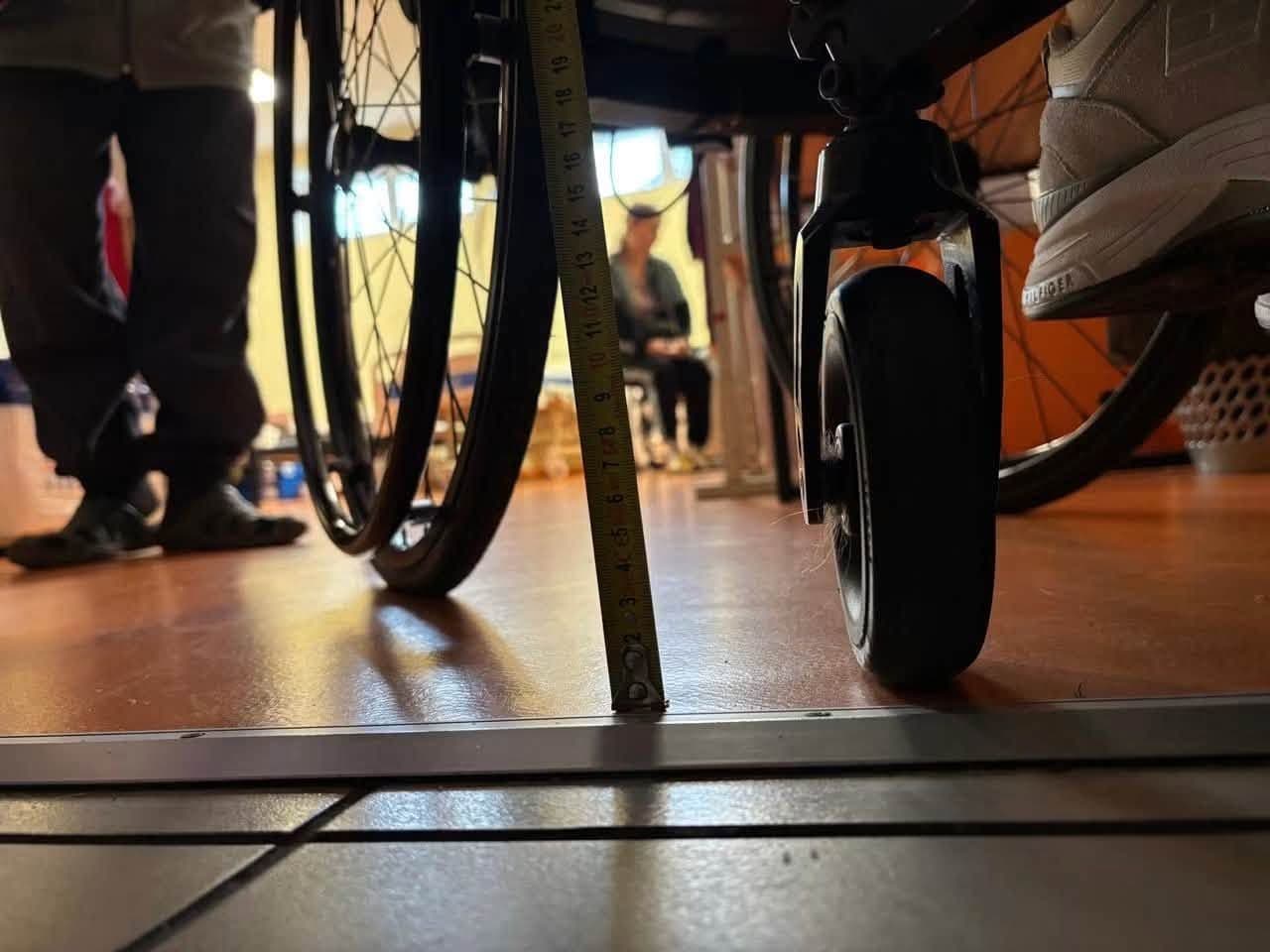
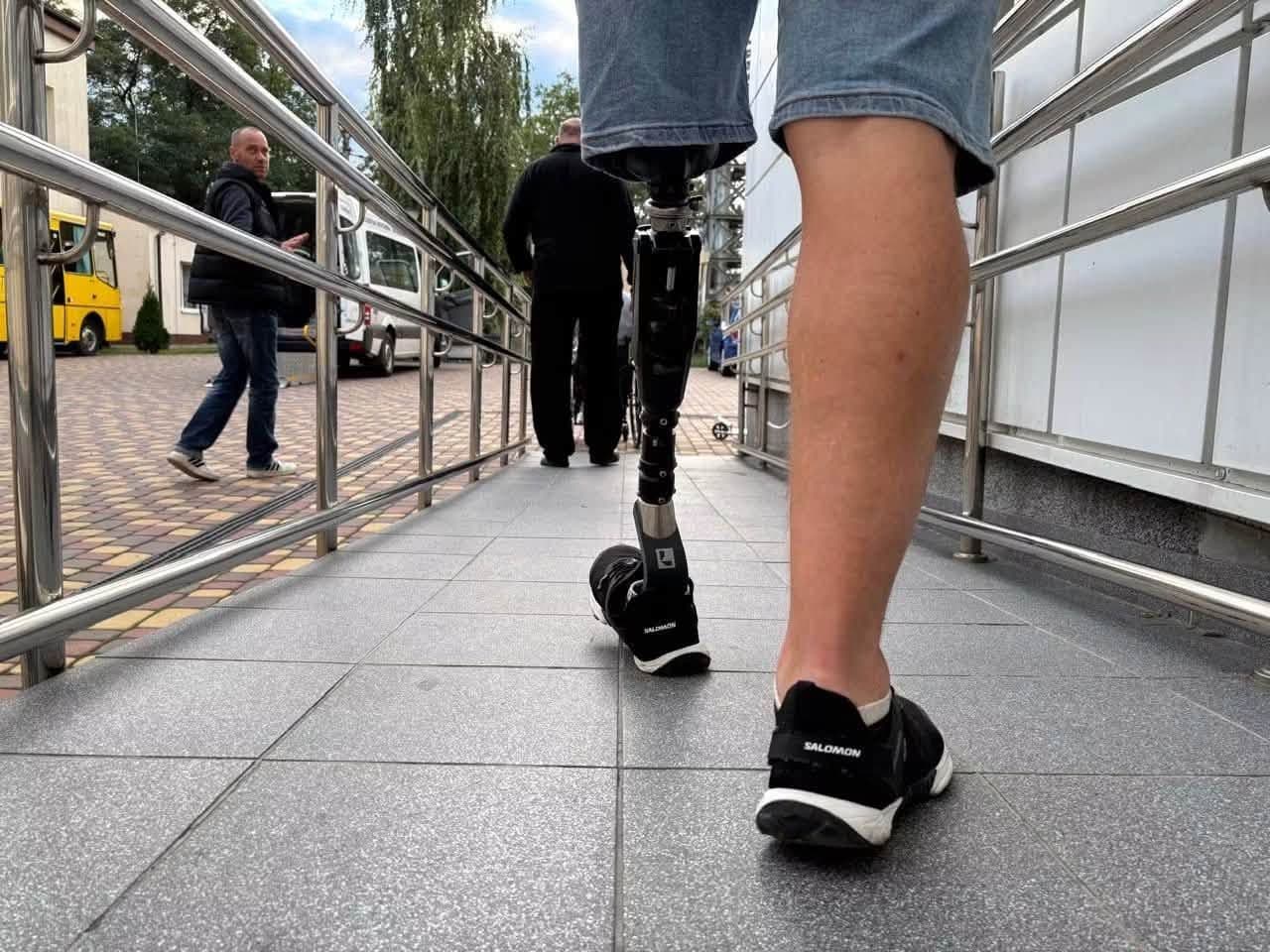
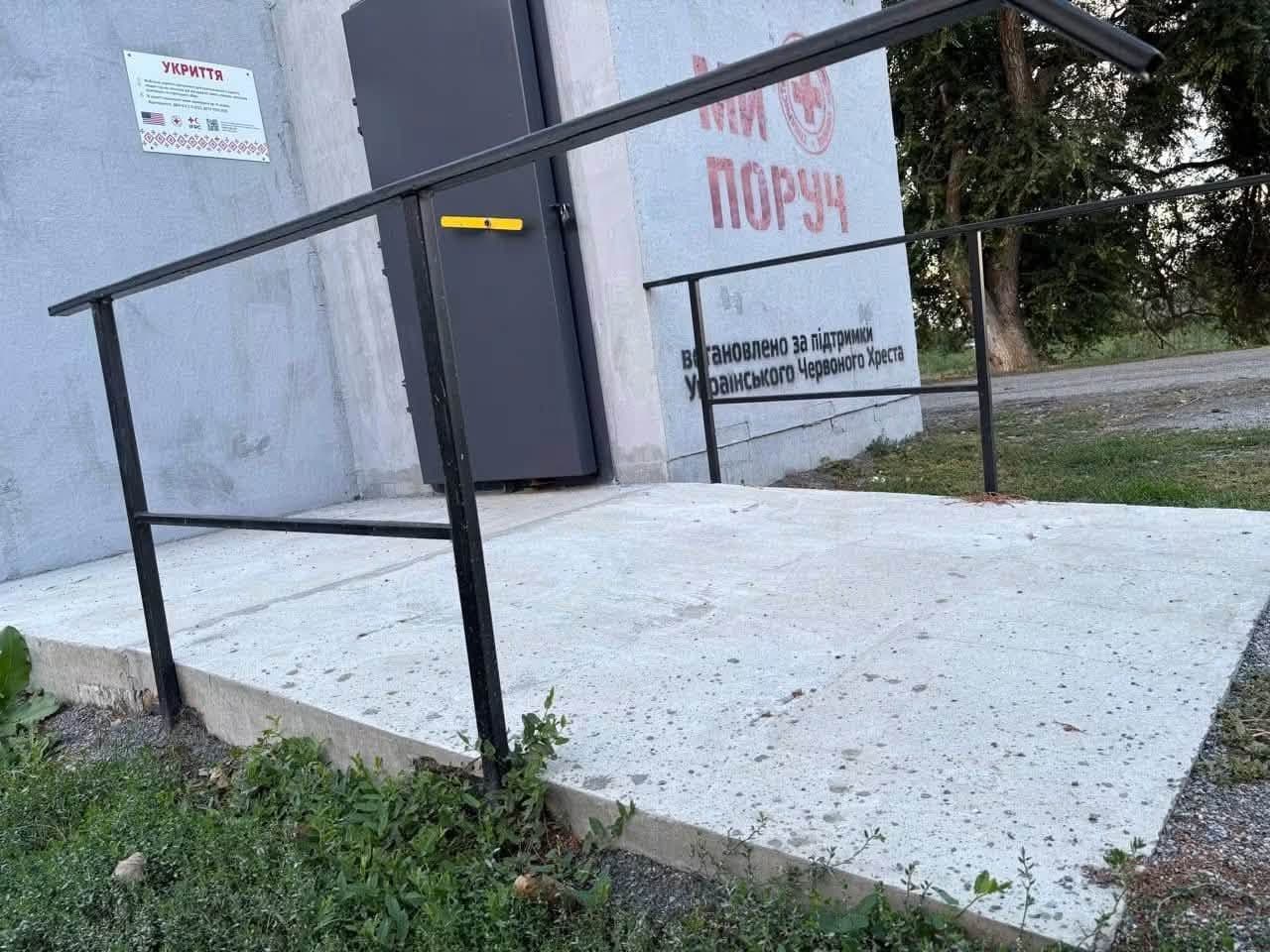
They checked entrances and exits, the width of passageways and doorways, movement routes, ramps, sanitary facilities, and signage. They evaluated the space specifically from the perspectives of a wheelchair user and a person using a prosthesis.
After all, details like measurements, slopes, thresholds, or poorly placed equipment—which some might not even notice—can become real obstacles for others.
There was also a discussion about communication accessibility: how center staff can properly interact with people with disabilities, and how to provide clear information and assistance without undermining a person's independence. All identified barriers were documented on-site, and potential solutions were discussed. Based on the inspection, recommendations were developed to further improve the accessibility of the Transit Center.
For us, a barrier-free environment is a space that a person can truly use—independently, safely, and with dignity.
That is why accessibility requires more than just planning; it must be verified in practice.
News and events
All publicationsArticles
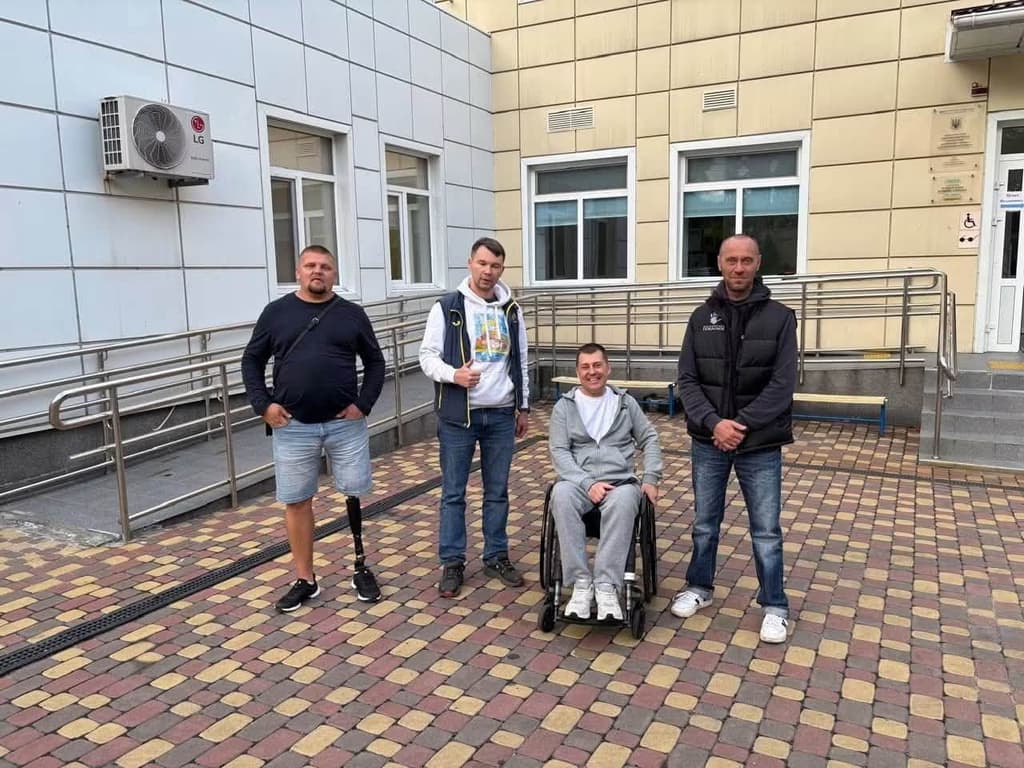
Barrier-free accessibility is tested in motion, not just on paper
Can a person in a wheelchair enter the building independently? Is there enough room to maneuver inside? Is the restroom convenient to use? Is the route safe for someone with a prosthesis? This is precisely how the accessibility of the Transit Center in Voloske village (Dnipro district, Dnipropetrovsk region) was tested—in practice. The inspection involved Mykola Nadulichnyi, Head of the "Luhansk Association of Organizations of Persons with Disabilities," an ambassador for the "Movement Without Barriers" project and an expert on the National Strategy for Creating a Barrier-Free Environment in Ukraine. Together with other participants, Mykola Nadulichnyi did more than just look at the premises; they traversed the center’s main routes exactly as various people would on a daily basis. They checked entrances and exits, the width of passageways and doorways, movement routes, ramps, sanitary facilities, and signage. They evaluated the space specifically from the perspectives of a wheelchair user and a person using a prosthesis. After all, details like measurements, slopes, thresholds, or poorly placed equipment—which some might not even notice—can become real obstacles for others. There was also a discussion about communication accessibility: how center staff can properly interact with people with disabilities, and how to provide clear information and assistance without undermining a person's independence. All identified barriers were documented on-site, and potential solutions were discussed. Based on the inspection, recommendations were developed to further improve the accessibility of the Transit Center. For us, a barrier-free environment is a space that a person can truly use—independently, safely, and with dignity. That is why accessibility requires more than just planning; it must be verified in practice.
02.10.2026
Read more
Articles

From a single training session to community-wide change
From a single training session to community-wide change: how LAOOI fosters a culture of barrier-free accessibility Barrier-free accessibility does not begin with a ramp, nor does it end with an accessible building entrance. It starts with people—with how professionals perceive another person's needs, how they communicate, how they respond to challenging situations, and the assistance they can offer. That is precisely why professional training is one of the key avenues through which the "Luhansk Association of Organizations of Persons with Disabilities" (LAOOI) systematically drives societal change. Recently, the LAOOI team conducted a three-day training session in Dnipro titled "Barrier-Free Accessibility in Action: Inclusion. Protection. Resilience" for healthcare professionals from the Nikopol district of the Dnipropetrovsk region. Yet, for us, the training itself is not the only thing that matters; what follows is equally important. Each participant returns to their facility—to their patients, colleagues, and daily routine—and the knowledge gained over those three days begins to make a difference right there. This is how change happens: one trained individual alters the approach within their workplace; a team transforms the facility's operations; and dozens or hundreds of trained professionals gradually reshape the entire system. Over the course of LAOOI’s work, dozens of people have completed training on barrier-free accessibility, inclusion, and protection. These are professionals from various fields who work with people daily and can translate the knowledge they have acquired into concrete solutions within their communities. For LAOOI, therefore, each such training session represents far more than just three days of instruction and a certificate of completion. This is an investment in an environment where individuals do not have to constantly prove their right to accessibility, respect, and support. The training took place as part of the project "Integrated Protection, Health, and Inclusion for Vulnerable Newly Displaced Persons, Internally Displaced Persons (IDPs), and Particularly Vulnerable Groups in the Dnipropetrovsk, Zaporizhzhia, and Donetsk Regions (Priorities 1, 2, 4)." The project is supported by the Ukraine Humanitarian Fund (UHF) and implemented by the "Luhansk Association of Organizations of Persons with Disabilities" (LAOOI) and Volontariato Internazionale per lo Sviluppo (VIS). Removing barriers becomes a reality when knowledge translates into daily practice. And that is precisely the kind of change we strive for.
30.09.2026
Read more
News
From Values to Concrete Actions: Accessibility Ambassadors Join Forces
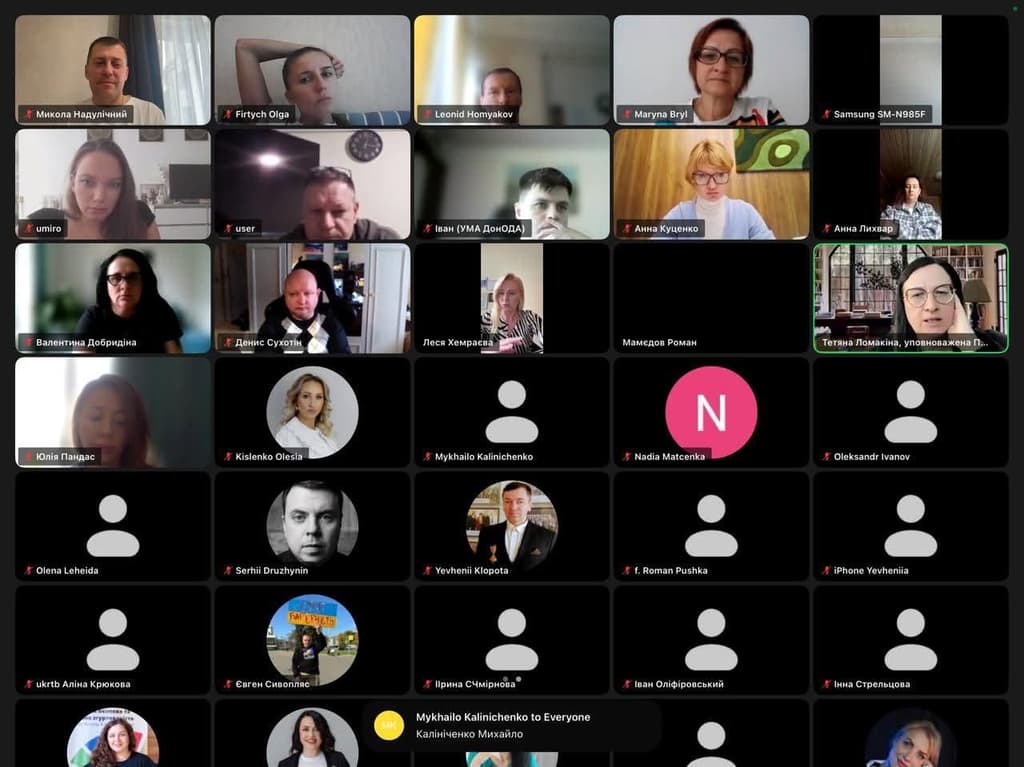
From Values to Concrete Actions: Accessibility Ambassadors Join Forces Mykola Nadulichnyi, Head of the "Luhansk Association of Organizations of Persons with Disabilities" (LAOOPD) and an accessibility ambassador for the Lviv region, participated in the September online meeting of Ukraine’s Network of Accessibility Ambassadors. The meeting brought together Network representatives from various regions to discuss not only principles but, above all, how accessibility should function in people's real lives. A key topic was the use of "plain language" as a tool for accessible communication. Participants also specifically discussed how to translate regulations, documents, and individual decisions into practical changes that people can truly see and experience in their daily lives. During the meeting, the group began gathering proposals for a practical guide titled "The Path of a Ukrainian Accessibility Ambassador: From Values to Action" and discussed future events and ongoing collaboration within the Network. For the LAOOPD, participating in this work offers an opportunity to share practical experience while strengthening joint efforts to ensure that accessibility moves beyond a mere declared principle and becomes a standard part of community life. Accessibility begins where human needs become the foundation for concrete solutions.
29.09.2026
Read more