Luhansk Association of Organizations of Persons with Disabilities
We’re doing everything to show that even in the most challenging times, together we can achieve the incredible
About the organization
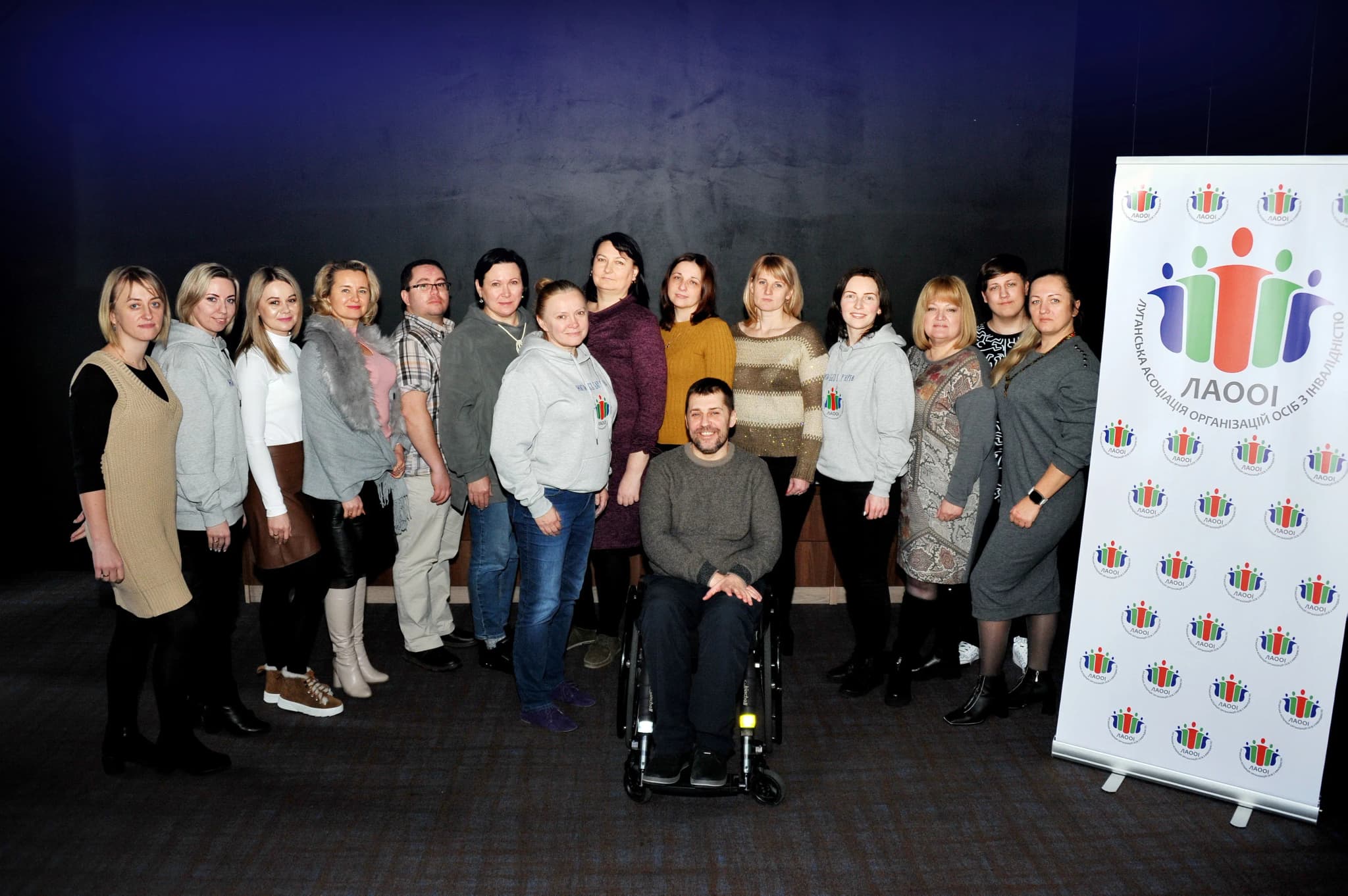
The 'Luhansk Association of Organizations of Persons with Disabilities', established on May 25, 2018, supports people with disabilities and ensures equal opportunities for them. We are a leading organization in Eastern Ukraine focused on social integration and the protection of the rights of persons with disabilities, working to improve their quality of life
The public union provides social support, protects the rights of people with disabilities, fosters social inclusion, advocates for accessible infrastructure, raises awareness, promotes skill development, and actively involves persons with disabilities in activities
LAOOI's activities in numbers
From the very beginning, our organization has strived for a great goal: to improve the quality of life and protect the rights of people with disabilities, promote social inclusion, and support the awareness of the importance of a barrier-free environment
2 549
Beneficiaries received financial assistance of 3,600 UAH to cover critical needs
2 214
persons (958 households) received 26,000 hryvnia each for winter heating supplies
2 188
Beneficiaries from Kharkiv region received building materials for 867 households.
944
Beneficiaries (457hous.) received aid for repairs, heating, and home improvement.
225
households, including 88 — improving conditions for people with disabilities
1 268
people received psychological counseling, 88 group sessions were conducted
795
Services “Legal assistance to children, guardians, and people with disabilities”
352
individuals received legal consultations
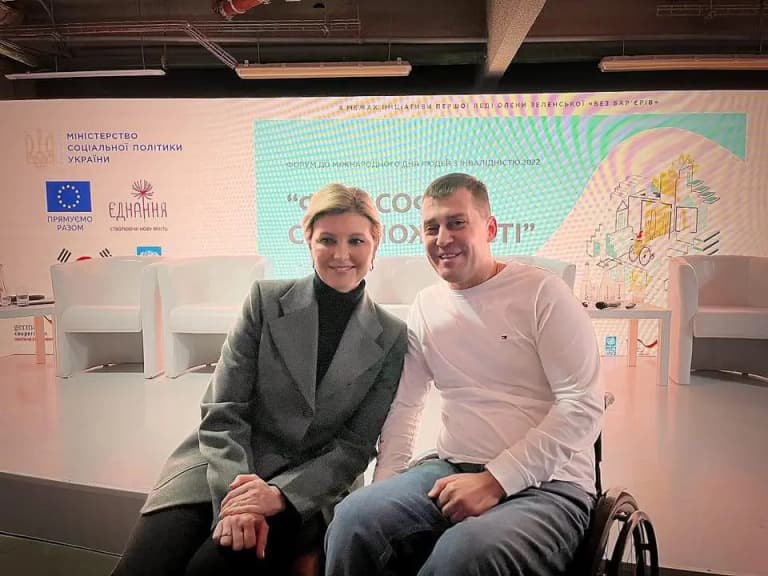
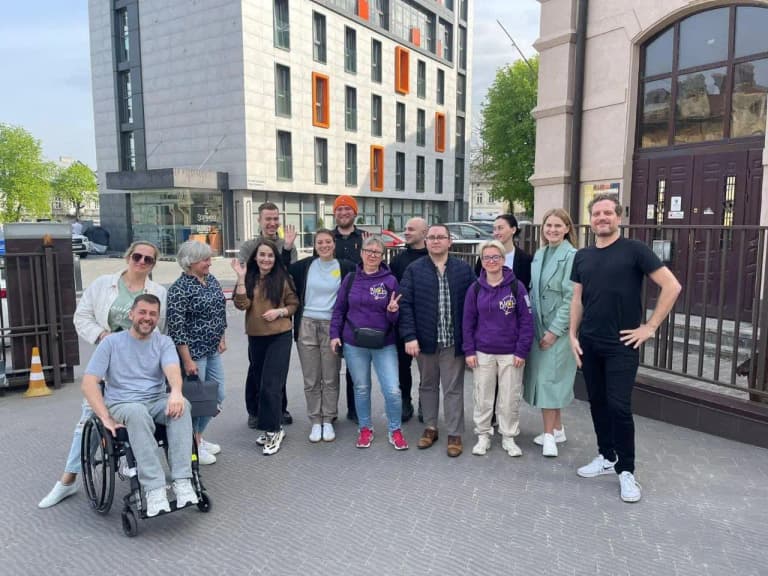
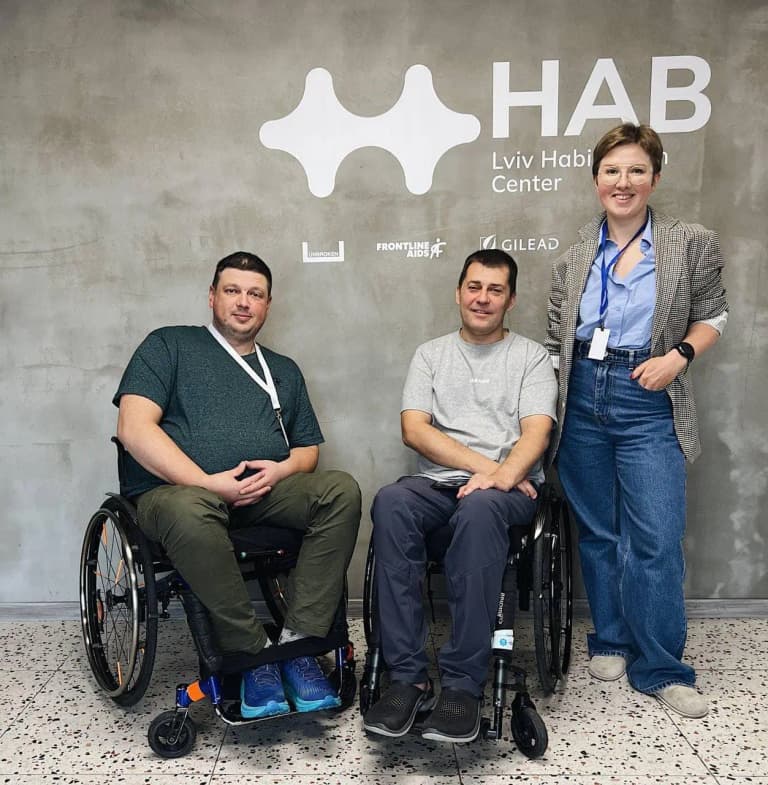
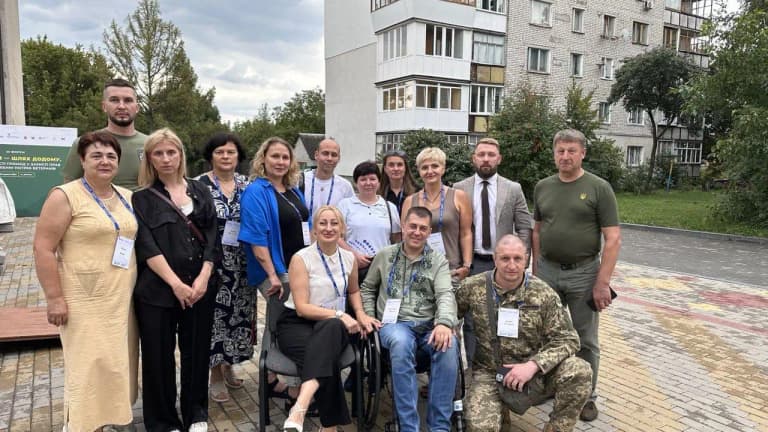
Our target groups


Media about us
All publications
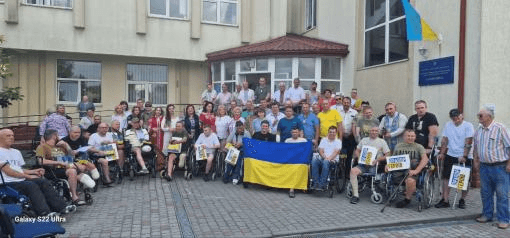

We are on social media
We actively share news about our activities, stories of people we have helped, and information about important initiatives, projects, and events. Join us on social media to learn about new projects, follow event announcements, and join the change. We strive to create an open and friendly community that supports the rights of people with disabilities and promotes their integration
News and events
All publicationsNews
Accessibility Also Means a State Without Unnecessary Bureaucracy
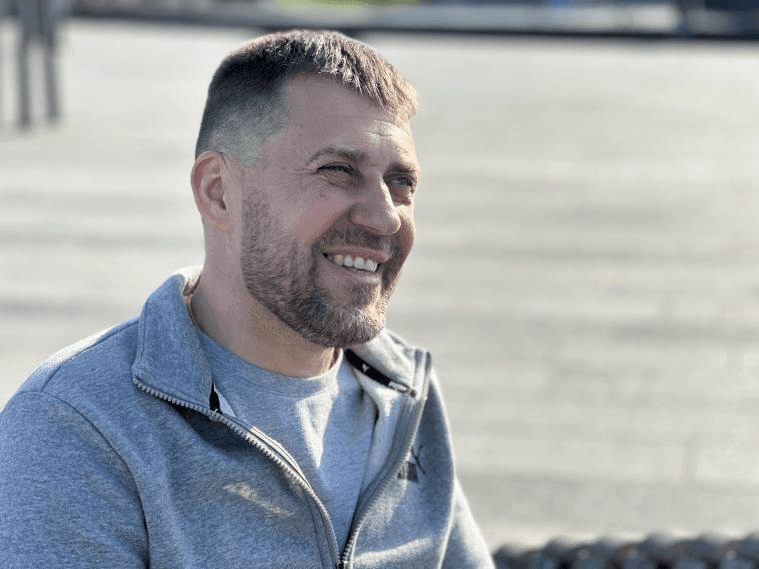
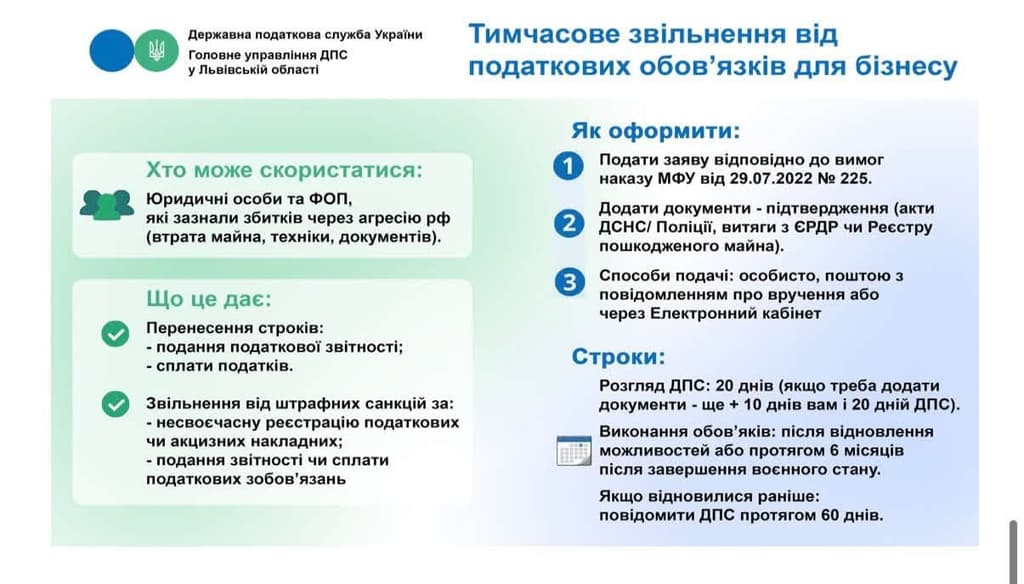
Mykola Nadulichnyi, Head of the Luhansk Association of Organizations of Persons with Disabilities (LAOPD) and an Accessibility Ambassador of the State Tax Service in Lviv Oblast, took part in a meeting with entrepreneurs focused on supporting businesses affected by Russian attacks. Mykola Nykytiuk, Head of the Main Department of the State Tax Service in Lviv Oblast, presented the mechanisms currently used by the Tax Service to support affected businesses. These include separate identification of such businesses within the Tax Service systems, taking the consequences of attacks into account when assessing tax risks, reducing bureaucracy, revising approaches to tax inspections, and providing individual support to businesses that have suffered critical damage. Special Tax Service hotlines are also available to assist entrepreneurs. In Lviv Oblast, businesses can contact the Tax Consultants Office and its online service points. More information about tax support mechanisms for businesses affected by the war is available here: Tax support mechanisms for war-affected businesses The information is regularly updated. For LAOPD, this issue is directly connected to accessibility. A barrier is not only a staircase without a ramp or an inaccessible entrance. It can also be a complicated procedure, unclear information, dozens of documents to collect, or a situation in which a person is left to find a solution to their problem on their own. Especially when it comes to those who have already suffered because of the war. Public services should become simpler, clearer, and more accessible to everyone. Supporting businesses that have survived attacks and destruction is one of the areas where this principle must work not only in words, but in practice. Fewer barriers mean more opportunities to recover, work, and move forward.
17.09.2026
Read more
News
Support Should Be Accessible - and Easy to Understand
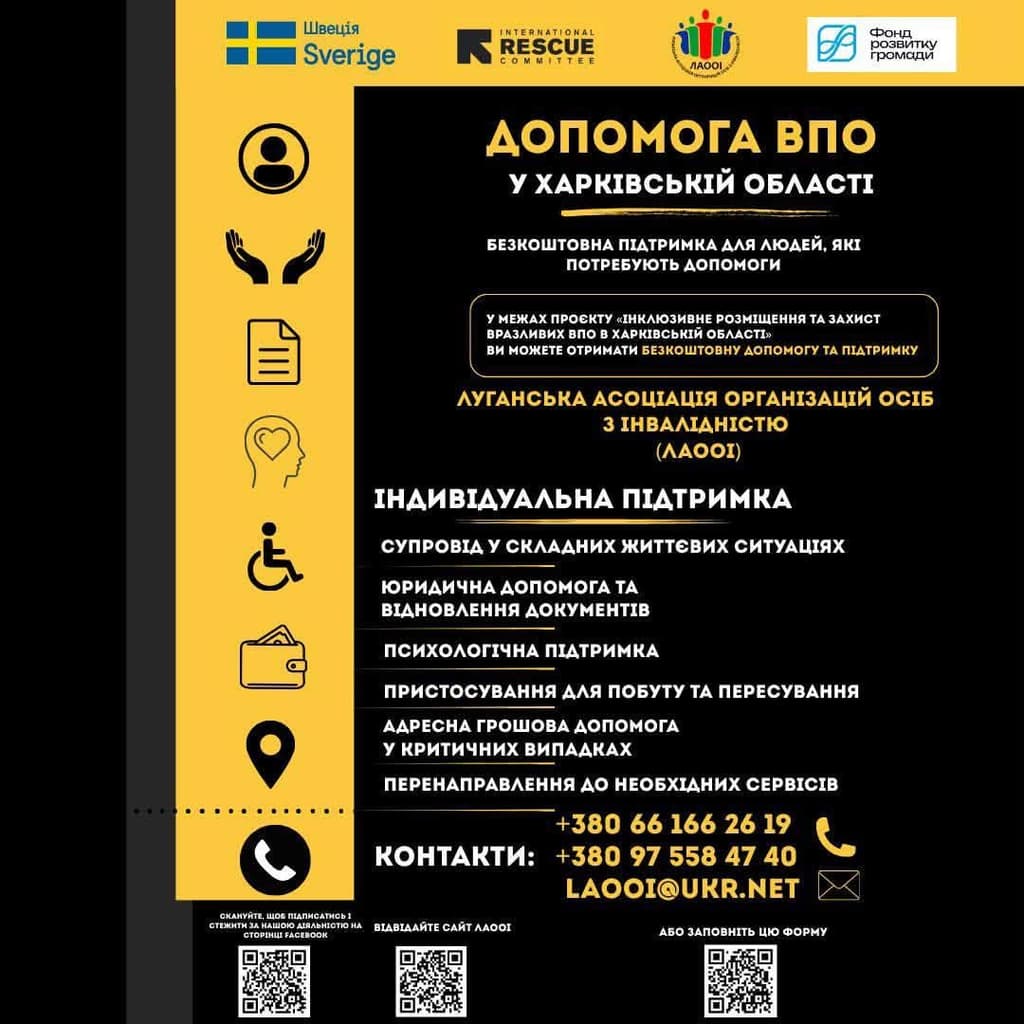
When a person faces difficult life circumstances, it is crucial not to be left alone with their problems. This is especially true for internally displaced persons (IDPs) who have been forced by the war to leave their homes and rebuild their lives in a new place. As part of the “Inclusive Accommodation and Protection of Vulnerable IDPs in Kharkiv Oblast” project, the Luhansk Association of Organizations of Persons with Disabilities (LAOPD), together with its partners, provides free assistance and support to IDPs in Kharkiv Oblast. Depending on individual needs, people can receive case management in difficult life situations, legal and psychological assistance, support with restoring documents, help with everyday needs and mobility, targeted financial assistance in critical cases, as well as referrals to essential services. Our partners also provide assistance with evacuation and transportation, accompaniment to transit centers, protection of rights, social services, and essential items. Not sure where to start or whom to contact? Call us. We will help you navigate the available options and find the support that meets your specific needs. LAOPD: +380 66 166 26 19 +380 97 558 47 40 LAOOI@UKR.NET Community Development Fund: 0 800 448 915 International Rescue Committee (IRC): 0 800 337 132 Save these contacts and share this post. Someone you know may need this information right now. The “Inclusive Accommodation and Protection of Vulnerable IDPs in Kharkiv Oblast” project is implemented by a consortium comprising the Luhansk Association of Organizations of Persons with Disabilities (LAOPD), the Community Development Fund NGO, and the International Rescue Committee (IRC), with support from Sweden through the Swedish International Development Cooperation Agency (Sida).
16.09.2026
Read more
Events
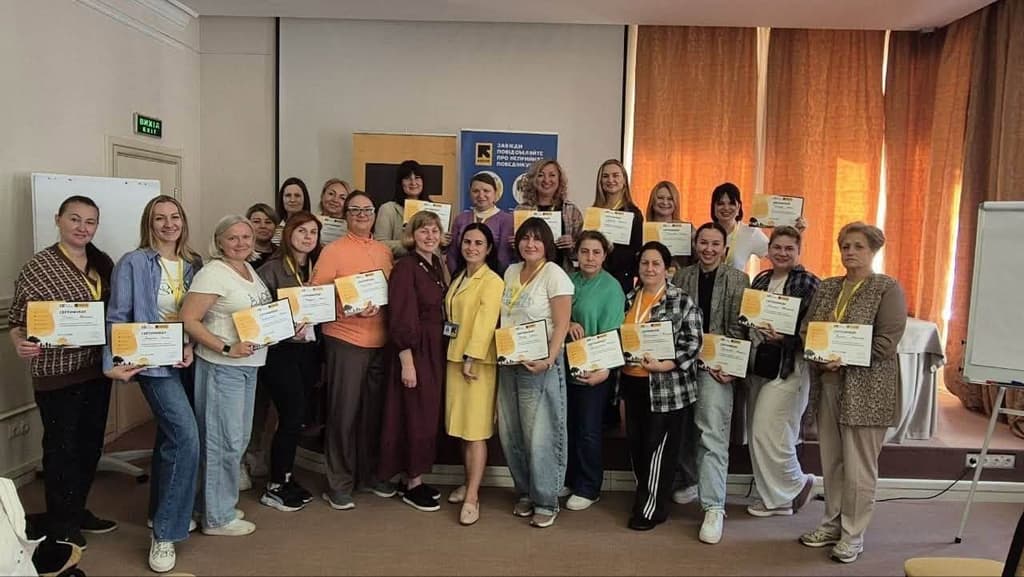
We Keep Learning - and Now We Have Knowledge to Share
Recently, the team at the Luhansk Association of Organizations of Persons with Disabilities has had a very busy training schedule. Trainings, practical sessions, knowledge exchange, new approaches and tools — our specialists are constantly developing their skills and expertise. Last week, our team was learning simultaneously in two cities — Kharkiv and Odesa. In Kharkiv , part of our team took part in the training “Key Competencies in Child Protection and Psychosocial Support in the Humanitarian Sector.” The programme covered minimum child protection standards, case management, psychological first aid, referrals, and ensuring children’s access to the support they need. In Odesa , another part of our team completed a four-day PCMIMS+ training — a system for managing and documenting protection cases. The training included extensive practical work: protection risk assessment, case management planning, referrals and follow-up, working with cases in the system, supervision, case closure, and data management. This is particularly important to us because behind every such tool there are not simply tables, forms, or algorithms. There are real people — and the quality of support they receive depends on how well these tools are used. There is another important aspect, too. Our specialists are increasingly becoming not only participants in such trainings, but also speakers and experts. Over the years, the Luhansk Association of Organizations of Persons with Disabilities has accumulated significant practical experience in inclusion, protection, accessibility, and support for vulnerable groups. Today, we are not only gaining knowledge — we also have valuable experience to share with our colleagues. Learning, exchanging experience, testing new approaches in practice, and passing our own knowledge on to others — this is how our team grows, and with it, the quality of our work. We are grateful to our partners for providing these opportunities for learning and professional development. Because a strong team is a team that never stops learning.
14.09.2026
Read more
Frequently asked questions
LAOOI is a voluntary public association consisting of individuals and private legal entities, established to uphold and protect human and civil rights and freedoms, meeting the social, economic, cultural, and other needs of its members and/or others