Icelandic Ramp Up project: partnership for a barrier-free Ukraine

13.10.2025
Articles
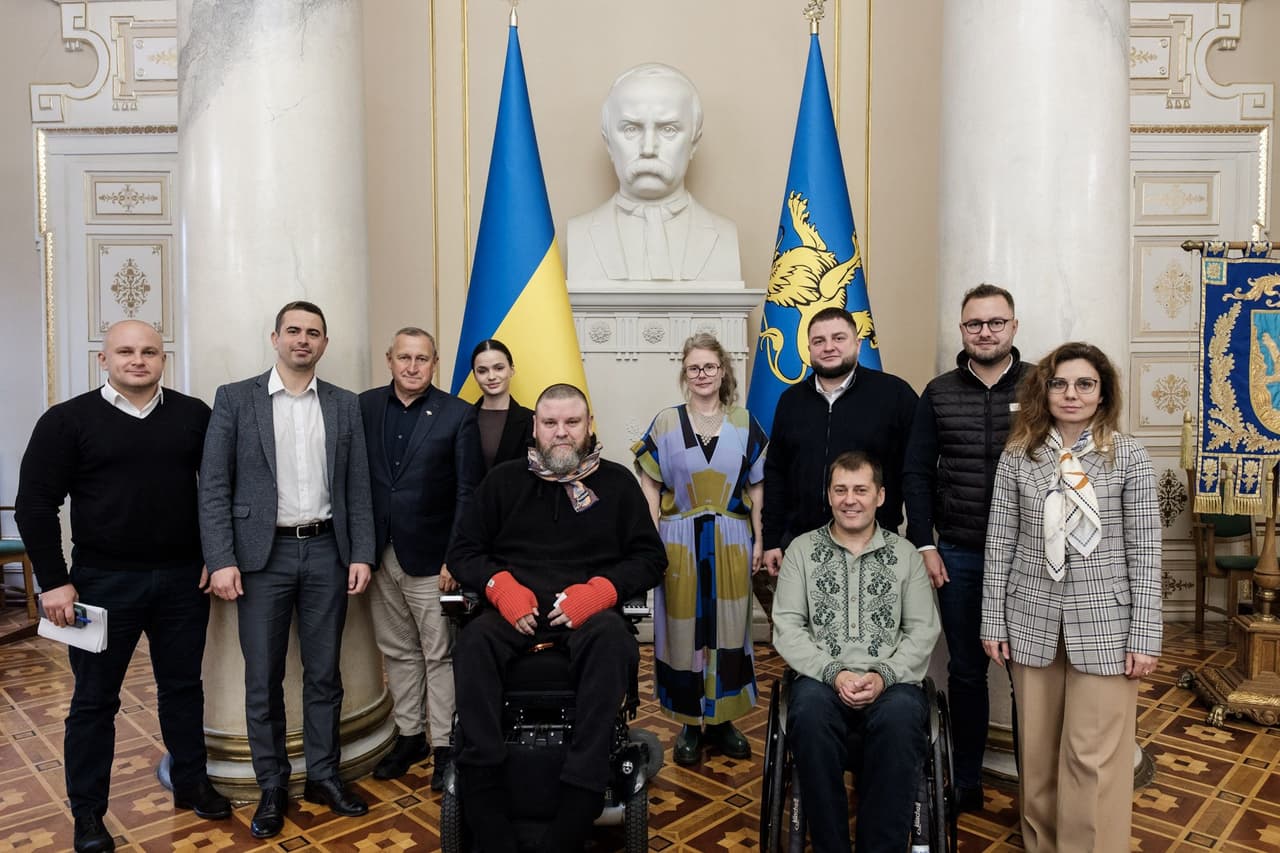
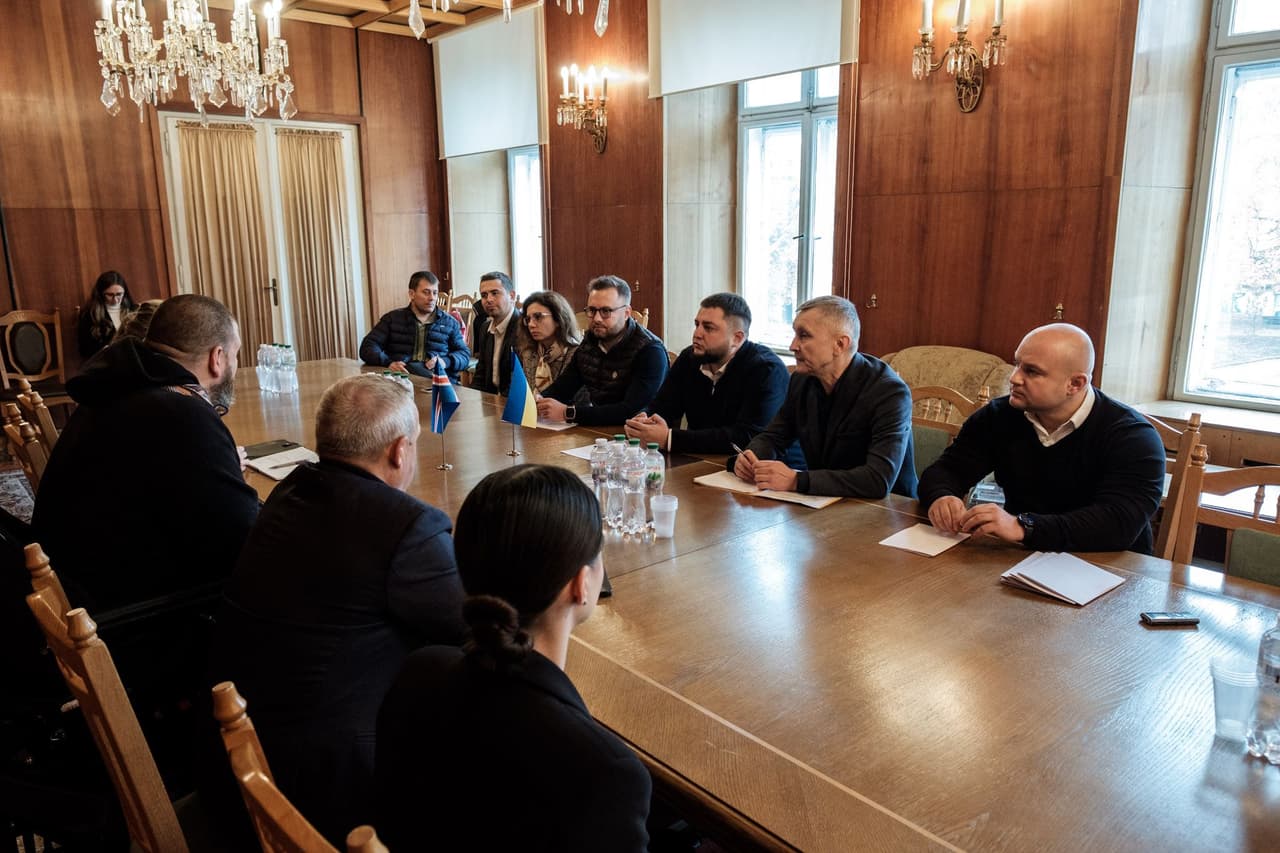
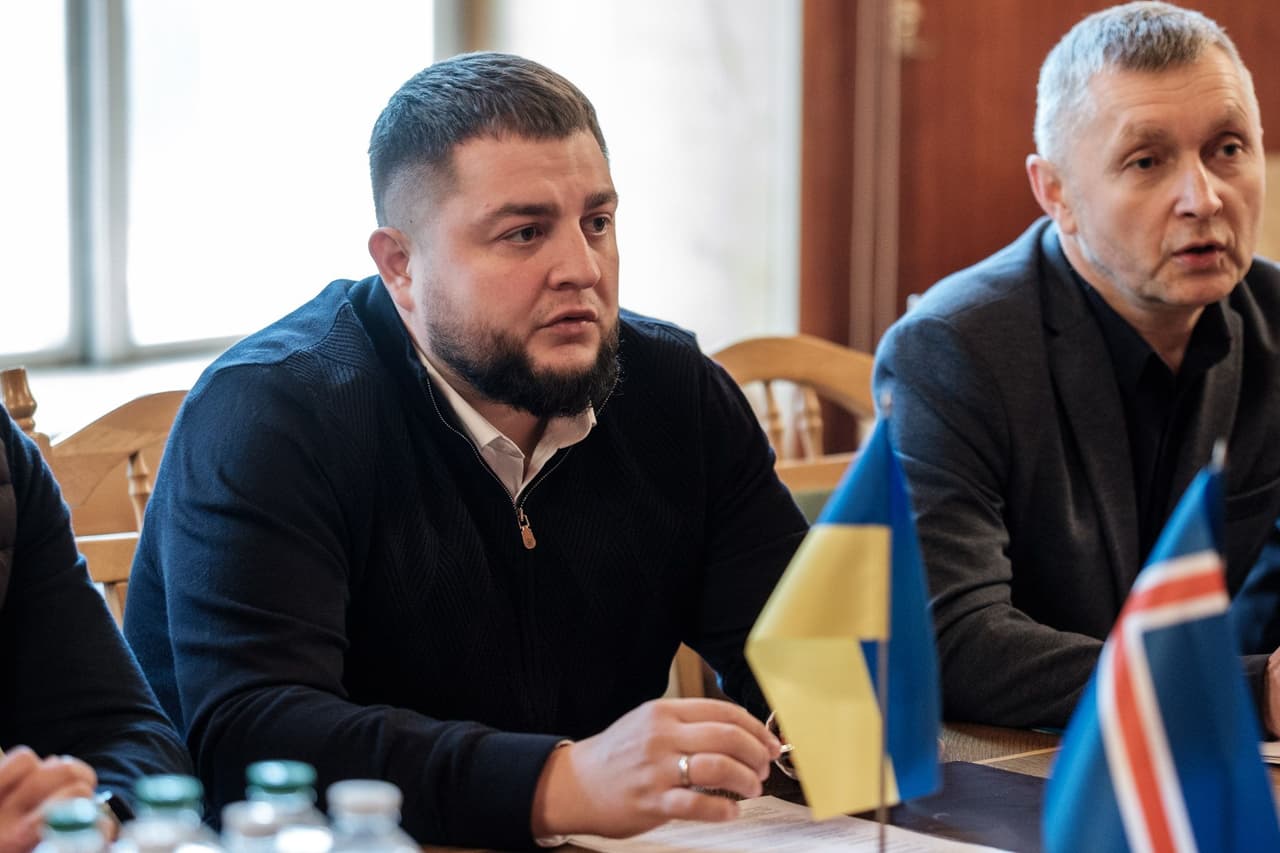
A meeting was held in Lviv dedicated to the implementation of the Icelandic Ramp Up project, which plans to install over a thousand ramps in Ukraine, particularly in the Lviv region. One hundred of them will be installed in Lviv, where the construction of the first ten ramps to public facilities on Sichovykh Striltsiv Street has already been completed.
The project aims to create an accessible environment for people with disabilities, war veterans, and all groups with limited mobility.
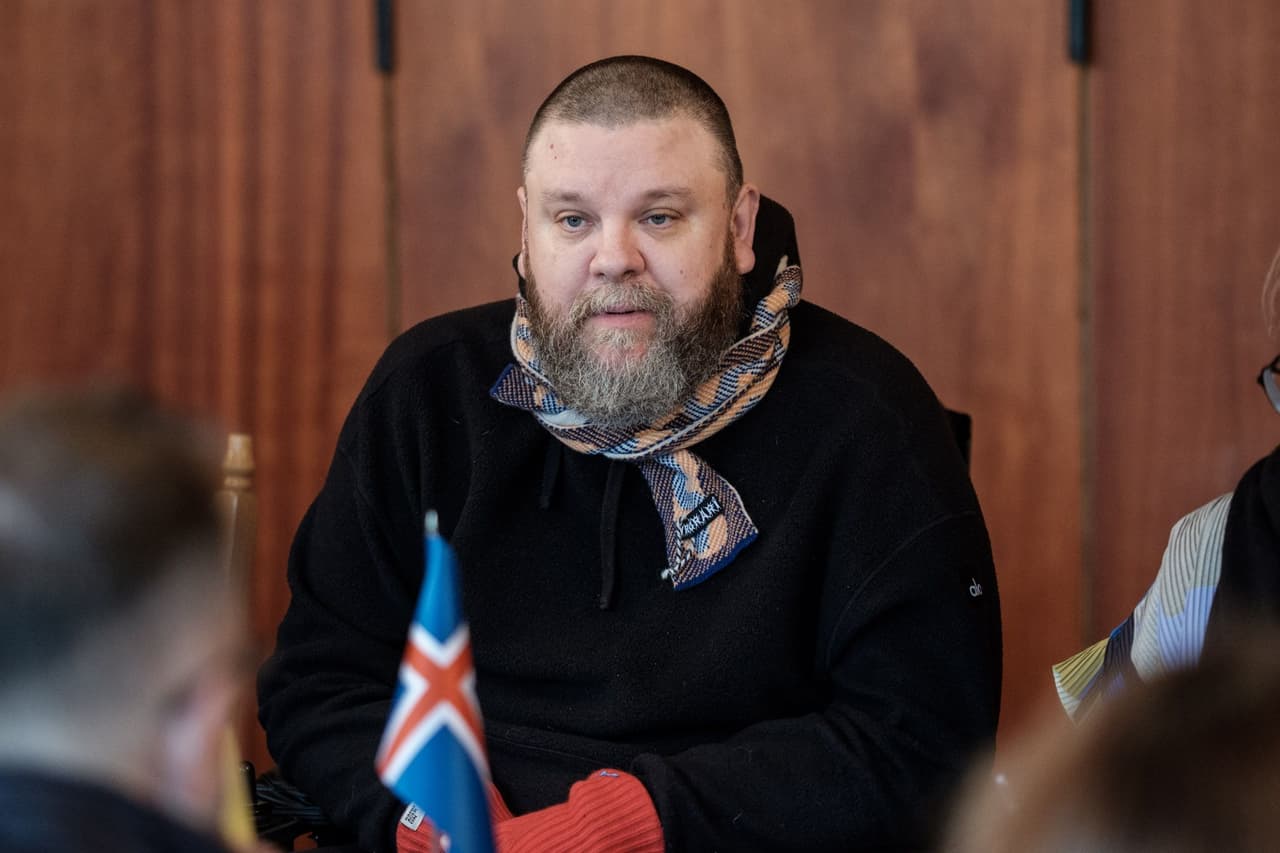
Mykola Nadulychny, head of the Luhansk Association of Organisations of Persons with Disabilities, took part in the meeting and emphasised the importance of international partnership for real improvement in accessibility in Ukrainian communities:
‘Iceland's experience in creating an inclusive space is extremely valuable for Ukraine. Together with our partners, we strive not only to build ramps, but also to shape a culture of accessibility — where every person can move freely, learn, work and live with dignity.’
The meeting was attended by the acting head of the Lviv Regional Council, Yuriy Kholod, the Deputy Ambassador Extraordinary and Plenipotentiary of Iceland to Poland and Ukraine, Reingardur Kolss, and the founder of the Ramp Up project, Haraldur Torleifsson.
Yuriy Kholod emphasised that the development of an inclusive environment is one of the priorities of the regional authorities and proposed to start the regional stage of the project in Novoyavorivsk, where the first proposals for facilities requiring the installation of ramps are already being prepared.
The founder of the initiative, Haraldur Thorleifsson, noted that the Ramp Up Foundation has successful experience in implementing similar projects in various countries around the world, and the cost of one ramp in Ukraine is about a thousand euros.
‘We want Ukraine to become an example of accessibility. We are starting with Lviv, but the goal is to expand the project to other regions,’ he emphasised.
Reingardur Kolso stressed that the Icelandic government supports the initiative, especially given the current needs of communities in small settlements.
Members of the Lviv Regional Council, representatives of the Lviv Regional State Administration and the public sector also took part in the event.
The cooperation between Iceland and Ukrainian organisations, in particular the Luhansk Association of Organisations of Persons with Disabilities, is an example of how international solidarity can change people's daily lives, making them accessible, safe and dignified.
News and events
All publicationsEvents
LAOOI Team Strengthens Practical Protection Skills
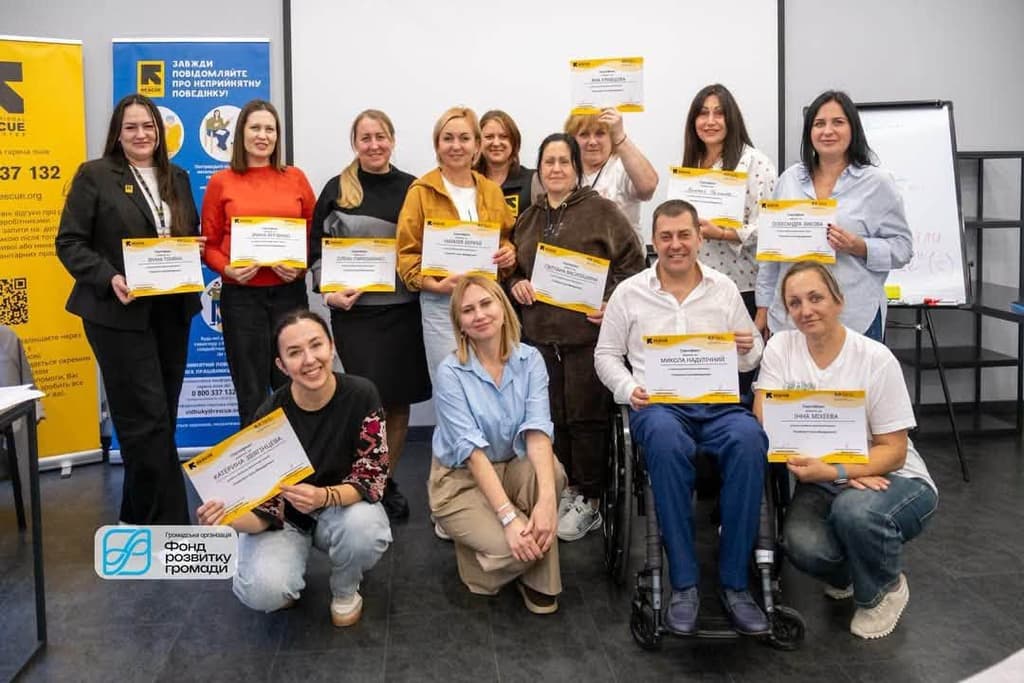
LAOOI Team Strengthens Practical Protection Skills The team from the "Luhansk Association of Organizations of Persons with Disabilities" (LAOOI) participated in a two-day practical training session on Protection Case Management. The training took place as part of the SAFE-PATH project and focused primarily on practical application—working with real and realistic case scenarios, making decisions, and identifying the safest and most effective ways to support individuals. Over the course of two days, participants examined the key stages of case management in detail: from risk assessment and action planning to referrals for necessary services, documentation, supervision, and case closure. Special attention was paid to handling complex cases, incorporating psychological support into case management, and gaining practical experience with the Primero system. For our team, such training sessions offer a vital opportunity to refine the approaches we use daily when working with vulnerable groups. After all, behind every case lies a real person with specific circumstances and needs; therefore, our solutions must be professional, safe, and person-centered. We extend our thanks to our partners—IRC Deutschland and the NGO "Community Development Fund"—as well as trainer Valentyna Zaliievska, for the practical and insightful training, the exchange of experience, and our collaborative efforts. The project "Inclusive Accommodation and Protection for Vulnerable IDPs in Kharkiv Oblast" is implemented by a consortium comprising the NGO "Luhansk Association of Organizations of Persons with Disabilities," the NGO "Community Development Fund," and the International Rescue Committee (IRC), with support from Sweden provided through the Swedish International Development Cooperation Agency (Sida). Photo: Community Development Fund #go2frg
06.10.2026
Read more
Articles
Barrier-free accessibility is tested in motion, not just on paper
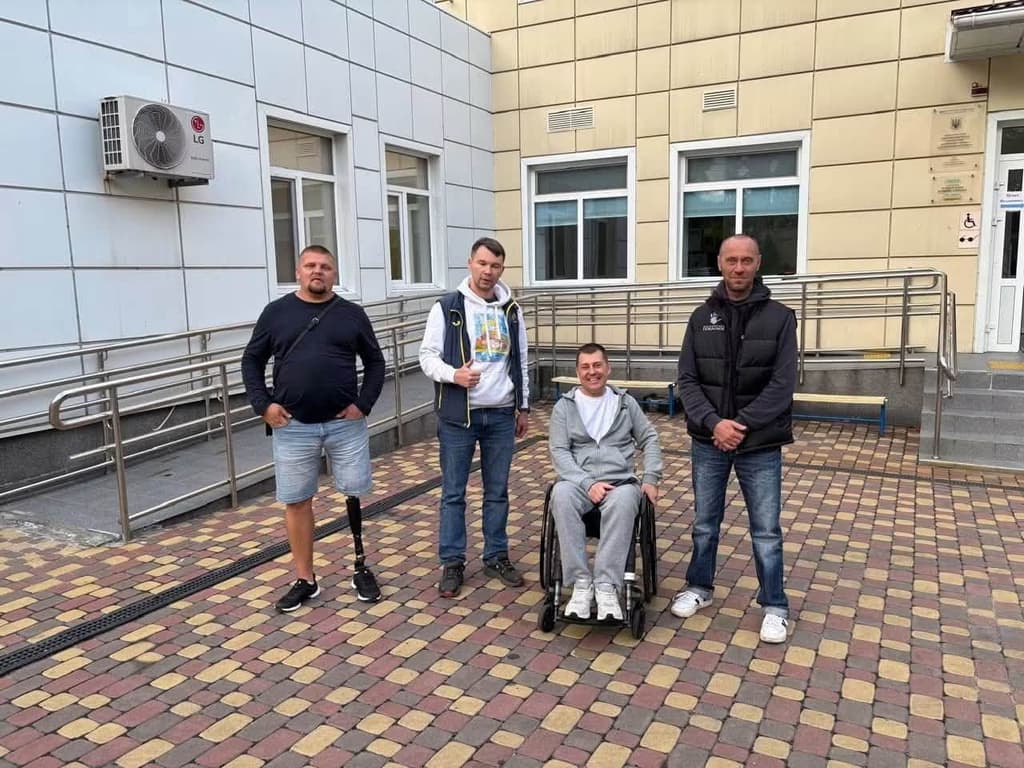
Can a person in a wheelchair enter the building independently? Is there enough room to maneuver inside? Is the restroom convenient to use? Is the route safe for someone with a prosthesis? This is precisely how the accessibility of the Transit Center in Voloske village (Dnipro district, Dnipropetrovsk region) was tested—in practice. The inspection involved Mykola Nadulichnyi, Head of the "Luhansk Association of Organizations of Persons with Disabilities," an ambassador for the "Movement Without Barriers" project and an expert on the National Strategy for Creating a Barrier-Free Environment in Ukraine. Together with other participants, Mykola Nadulichnyi did more than just look at the premises; they traversed the center’s main routes exactly as various people would on a daily basis. They checked entrances and exits, the width of passageways and doorways, movement routes, ramps, sanitary facilities, and signage. They evaluated the space specifically from the perspectives of a wheelchair user and a person using a prosthesis. After all, details like measurements, slopes, thresholds, or poorly placed equipment—which some might not even notice—can become real obstacles for others. There was also a discussion about communication accessibility: how center staff can properly interact with people with disabilities, and how to provide clear information and assistance without undermining a person's independence. All identified barriers were documented on-site, and potential solutions were discussed. Based on the inspection, recommendations were developed to further improve the accessibility of the Transit Center. For us, a barrier-free environment is a space that a person can truly use—independently, safely, and with dignity. That is why accessibility requires more than just planning; it must be verified in practice.
02.10.2026
Read more
Articles

From a single training session to community-wide change
From a single training session to community-wide change: how LAOOI fosters a culture of barrier-free accessibility Barrier-free accessibility does not begin with a ramp, nor does it end with an accessible building entrance. It starts with people—with how professionals perceive another person's needs, how they communicate, how they respond to challenging situations, and the assistance they can offer. That is precisely why professional training is one of the key avenues through which the "Luhansk Association of Organizations of Persons with Disabilities" (LAOOI) systematically drives societal change. Recently, the LAOOI team conducted a three-day training session in Dnipro titled "Barrier-Free Accessibility in Action: Inclusion. Protection. Resilience" for healthcare professionals from the Nikopol district of the Dnipropetrovsk region. Yet, for us, the training itself is not the only thing that matters; what follows is equally important. Each participant returns to their facility—to their patients, colleagues, and daily routine—and the knowledge gained over those three days begins to make a difference right there. This is how change happens: one trained individual alters the approach within their workplace; a team transforms the facility's operations; and dozens or hundreds of trained professionals gradually reshape the entire system. Over the course of LAOOI’s work, dozens of people have completed training on barrier-free accessibility, inclusion, and protection. These are professionals from various fields who work with people daily and can translate the knowledge they have acquired into concrete solutions within their communities. For LAOOI, therefore, each such training session represents far more than just three days of instruction and a certificate of completion. This is an investment in an environment where individuals do not have to constantly prove their right to accessibility, respect, and support. The training took place as part of the project "Integrated Protection, Health, and Inclusion for Vulnerable Newly Displaced Persons, Internally Displaced Persons (IDPs), and Particularly Vulnerable Groups in the Dnipropetrovsk, Zaporizhzhia, and Donetsk Regions (Priorities 1, 2, 4)." The project is supported by the Ukraine Humanitarian Fund (UHF) and implemented by the "Luhansk Association of Organizations of Persons with Disabilities" (LAOOI) and Volontariato Internazionale per lo Sviluppo (VIS). Removing barriers becomes a reality when knowledge translates into daily practice. And that is precisely the kind of change we strive for.
30.09.2026
Read more