Ukrainian veterans are developing technologies to support life after amputation

21.03.2026
News
War changes lives, but at the same time it spurs the creation of solutions that help people regain their independence.
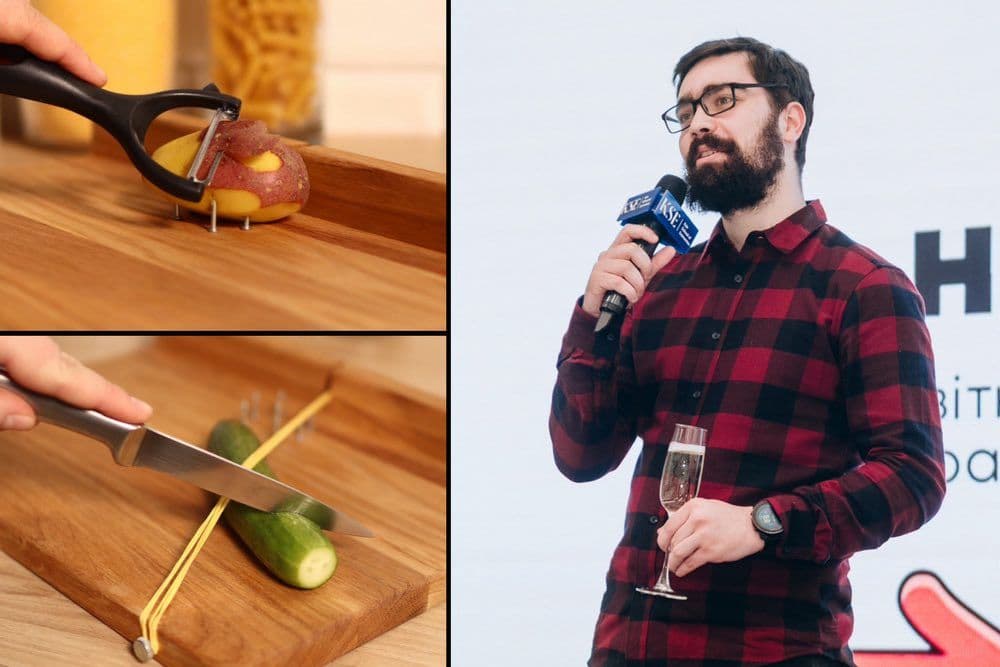
Ukrainian veteran and combat medic Hlib Beshkarev began developing adaptive devices for people with amputations and injuries after leaving the service. Using 3D modelling and modern technologies, he creates accessible solutions for everyday life.
His motivation stems from his own experience. On the front line, he saw how even basic daily tasks become difficult following injuries. This is precisely what spurred him to seek practical ways to make people’s lives more comfortable and independent.
According to him, in Ukraine, many adaptive devices are either unavailable or too expensive due to import costs. At the same time, many of them can be manufactured locally — faster, cheaper and tailored to users’ real needs.
Such initiatives are particularly important today, when thousands of military personnel and civilians are undergoing rehabilitation following injuries. After all, following an amputation, a person needs more than just a prosthesis — it is vital that both their environment and everyday items are adapted to their needs.
For the public sector, this is a signal: the country’s inclusive recovery must encompass not only medical rehabilitation, but also the development of adaptive technologies and accessible design.
Supporting such solutions is a contribution to accessibility and genuine independence for people who have survived the war.
News and events
All publicationsEvents
LAOOI conducted the training for the Children’s Services of the Saltivskyi District of Kharkiv
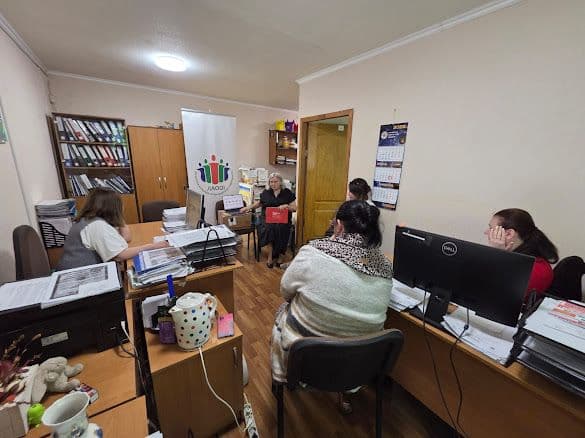
Even in the dangerous districts of Kharkiv, the work does not stop. Because today, knowledge about inclusion, protection, and support for vulnerable groups is needed more than ever. Specialists from the Luhansk Association of Organizations of Persons with Disabilities (LAOOI) conducted the training “Inclusive Solutions in Working with Vulnerable Groups” for representatives of the Children’s Services of the Saltivskyi District of Kharkiv. During the meeting, participants discussed accessibility, inclusive services, communication with persons with disabilities, and practical solutions that help make support truly accessible for everyone. Saltivka remains one of the most dangerous districts of Kharkiv. However, the LAOOI team continues to work where this knowledge is needed most. The training was organized within the framework of the project “Restoring Lives and Expanding Services in War-Affected Ukraine,” implemented by Solidar Suisse Ukraine in partnership with LAOOI with the support of Swiss Solidarity.
27.05.2026
Read more
Events
LAOOI conducted a training session for the medical staff of a children’s polyclinic in Kharkiv
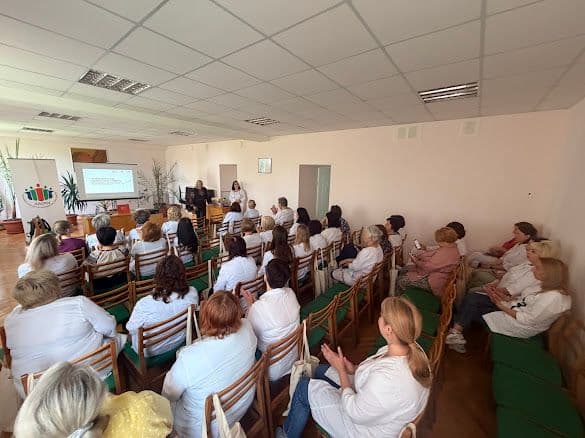
During the meeting with the participating medical professionals, the discussion focused on accessibility, respectful communication with people with disabilities, modern approaches to inclusion, and the importance of ensuring accessible healthcare services for all population groups. Special attention was given to ethical communication and practical solutions that help make medical spaces more comfortable and accessible for patients. Such training sessions are an important step toward creating a truly barrier-free environment where every person can receive quality assistance without barriers or prejudice. We thank the participants for their active engagement, openness to new knowledge, and interest in developing inclusive approaches in the healthcare sector. The training was organized within the framework of the project “Restoring Lives and Expanding Services in War-Affected Ukraine,” implemented by Solidar Suisse Ukraine in cooperation with the Luhansk Association of Organizations of Persons with Disabilities (LAOOI) with the support of Swiss Solidarity, a Swiss international charitable non-profit organization.
26.05.2026
Read more
Events
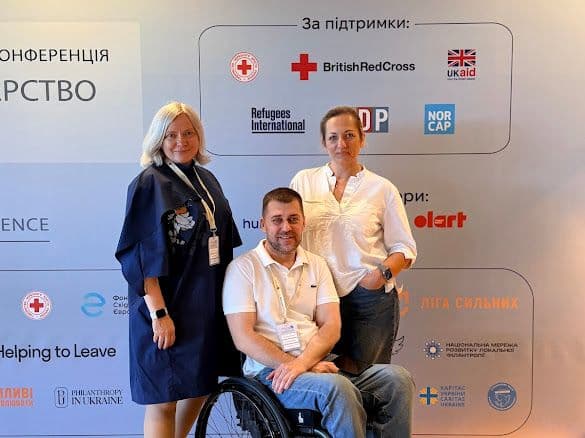
LAOOI joined the conference
For the fourth consecutive year, the event has brought together representatives of international and Ukrainian humanitarian organizations, government authorities, local self-government bodies, embassies, donors, and the volunteer community. This year, the conference gathered around 500 participants. During the panel discussions, participants addressed key challenges in the humanitarian sector, support for local organizations, partnership development, accessibility, inclusion, and future aid strategies in Ukraine. For our team, it is especially important that: international partners continue to confirm their readiness to support Ukraine; the topic of localization and strengthening local NGOs is becoming not just a concept, but a real practice; the principle of “not competitors, but partners” is increasingly promoted within the humanitarian sector, as cooperation and consortiums significantly strengthen the effectiveness of assistance; more attention is being paid to Ukrainian identity, culture, and history in social and charitable projects; accessibility and barrier-free environment issues are becoming one of the key areas requiring a systematic approach, expertise, and professional training at the local level. Such events are not only about discussions, but also about opportunities to find new partners, exchange experience, strengthen expertise, and jointly shape the future of Ukraine’s humanitarian sector. We sincerely thank the organizers for the invitation and the opportunity to join this important professional dialogue. The 4th Annual International Conference “Ukrainian Leadership in Aid” was jointly organized with Alliance UA CSO and Refugees International. Financial support for the conference was provided by the Center for Disaster Philanthropy and UK Aid Direct.
25.05.2026
Read more