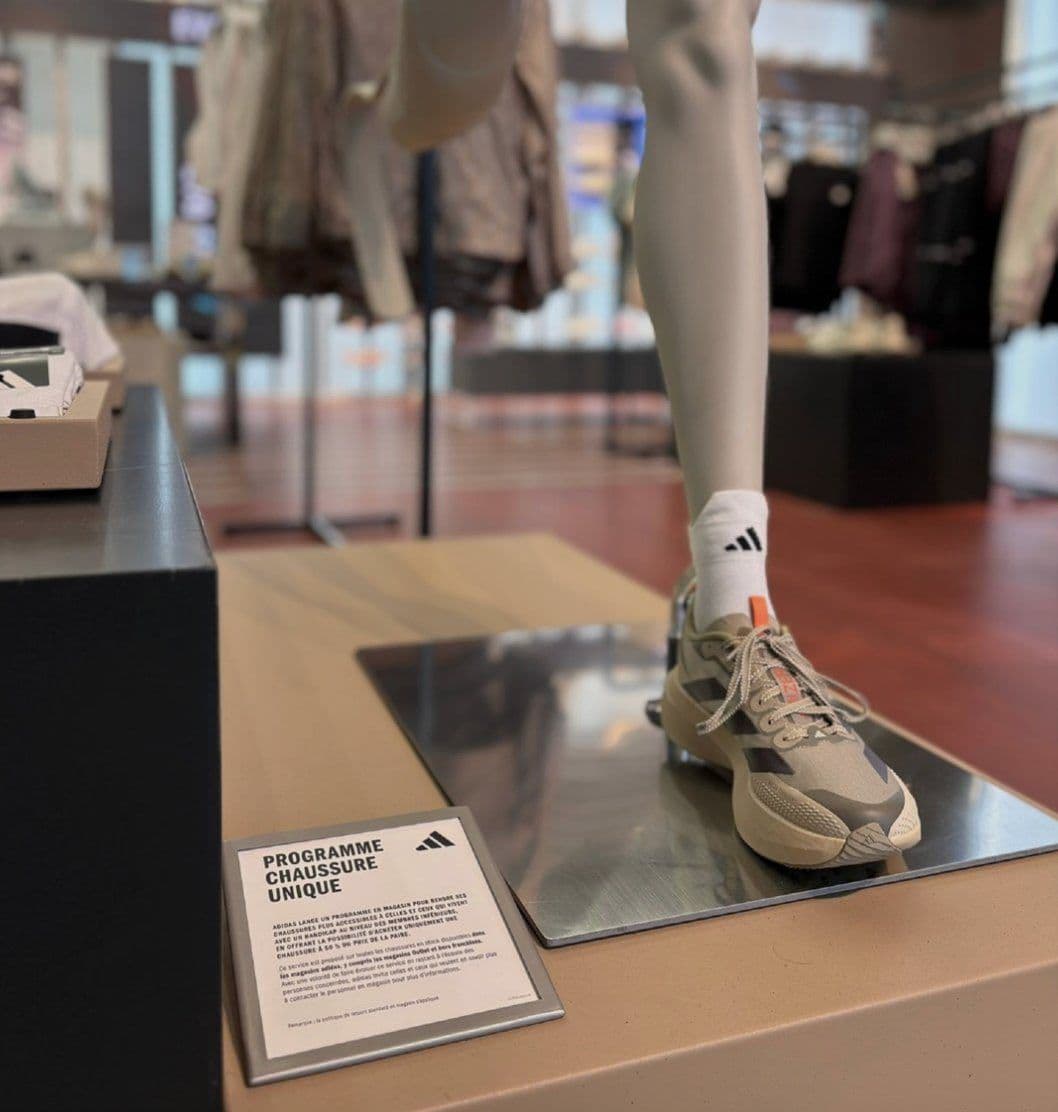
Adidas lets you buy a single trainer instead of a pair

26.03.2026
News
The world changes when people’s real needs are taken into account.
Adidas has introduced the option in 22 European countries to buy a single trainer rather than a pair — for people with amputations or limb differences. And this isn’t a marketing ploy, but a logical and necessary solution.
Previously, people had to buy a full pair, even if they only needed one trainer, overpaying for the extra one and adapting to a system that did not take their needs into account.
Now the approach is changing:
- you can buy a single trainer
- for half the price of a pair
- in regular shops with no additional conditions
It is important that this solution was developed in collaboration with people with disabilities, rather than without taking their experiences into account.
This example demonstrates true accessibility:
- when separate ‘special’ products are not created
- but standard services are adapted for everyone
- when inclusion is manifested in concrete actions
In Ukraine, such initiatives are still rare. However, it is precisely these simple solutions that foster accessibility, respect and equal opportunities.
The world is already moving in this direction — Ukraine should also move from words to practical changes.
News and events
All publicationsNews

Adidas lets you buy a single trainer instead of a pair
The world changes when people’s real needs are taken into account. Adidas has introduced the option in 22 European countries to buy a single trainer rather than a pair — for people with amputations or limb differences. And this isn’t a marketing ploy, but a logical and necessary solution. Previously, people had to buy a full pair, even if they only needed one trainer, overpaying for the extra one and adapting to a system that did not take their needs into account. Now the approach is changing: you can buy a single trainer for half the price of a pair in regular shops with no additional conditions It is important that this solution was developed in collaboration with people with disabilities, rather than without taking their experiences into account. This example demonstrates true accessibility: when separate ‘special’ products are not created but standard services are adapted for everyone when inclusion is manifested in concrete actions In Ukraine, such initiatives are still rare. However, it is precisely these simple solutions that foster accessibility, respect and equal opportunities. The world is already moving in this direction — Ukraine should also move from words to practical changes.
26.03.2026
Read more
News

Ukraine launches training programme for accessibility specialists
A new system for training specialists in the field of accessibility is being established in Ukraine. Ten of the country’s leading universities have already joined the initiative, including Kyiv National University of Construction and Architecture , Lviv Polytechnic National University and the National Aviation University . These are professional development programmes for architects, engineers, community representatives and government officials. Their aim is to teach participants how to create accessible spaces not just in theory, but in practice. The training will last at least 60 hours and will include: the basics of accessibility assessing the accessibility of facilities practical surveys developing specific recommendations Upon completion, participants will receive certificates and will be able to professionally assess the accessibility of the environment. This is an important step forward. After all, accessibility is not about formal ramps, but about high-quality solutions that have a real impact on people’s lives. At the same time, the key question remains: will these specialists have sufficient authority and influence? It is on this that it depends whether accessibility in Ukraine will become an everyday norm, rather than merely a declaration.
25.03.2026
Read more
Articles
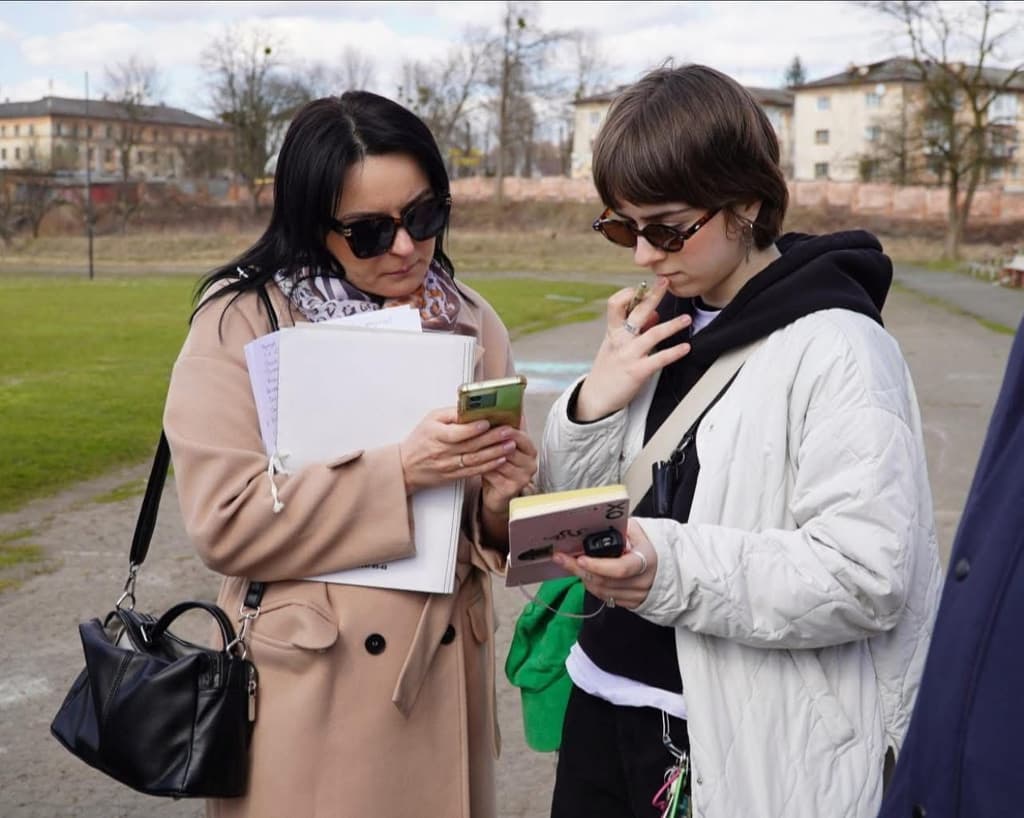
Accessible route inspected in the Novorozdil community
The Novorozdil community is demonstrating how the concept of accessibility is being put into practice. Last week, specialists from the Lviv Region Accessibility Council, together with experts, carried out an on-site inspection of the route at the invitation of the town council. This was not a formal inspection, but practical work carried out directly on site — analysing actual facilities, the environment and any issues that could still be rectified. Community representatives, designers and experts joined the process, including Mykola Nadulichny, as well as representatives of the ‘Third After Midnight’ Museum in the Dark — Ostap Nesterovsky and Heorhiy Halas. The participants walked the planned route together — from administrative buildings and educational institutions to public spaces. The main focus was on the basics: accessibility of entrances organisation of the surrounding area sanitary and hygiene facilities During the survey, it was possible to identify not only barriers but also typical mistakes that often arise as early as the design stage. This is precisely what allows us to avoid problems in the future. It is also important to note that the community is already collaborating with businesses and seeking partnerships. After all, accessibility is not just the responsibility of the authorities, but a shared endeavour for everyone. Novorozdil demonstrates that change begins where there is a willingness to assess, listen and refine solutions. This is precisely how a barrier-free environment is created.
24.03.2026
Read more