The Path to Change: Not Always a Safe Journey
06.11.2026
Articles
The Path to Change: Not Always a Safe Journey
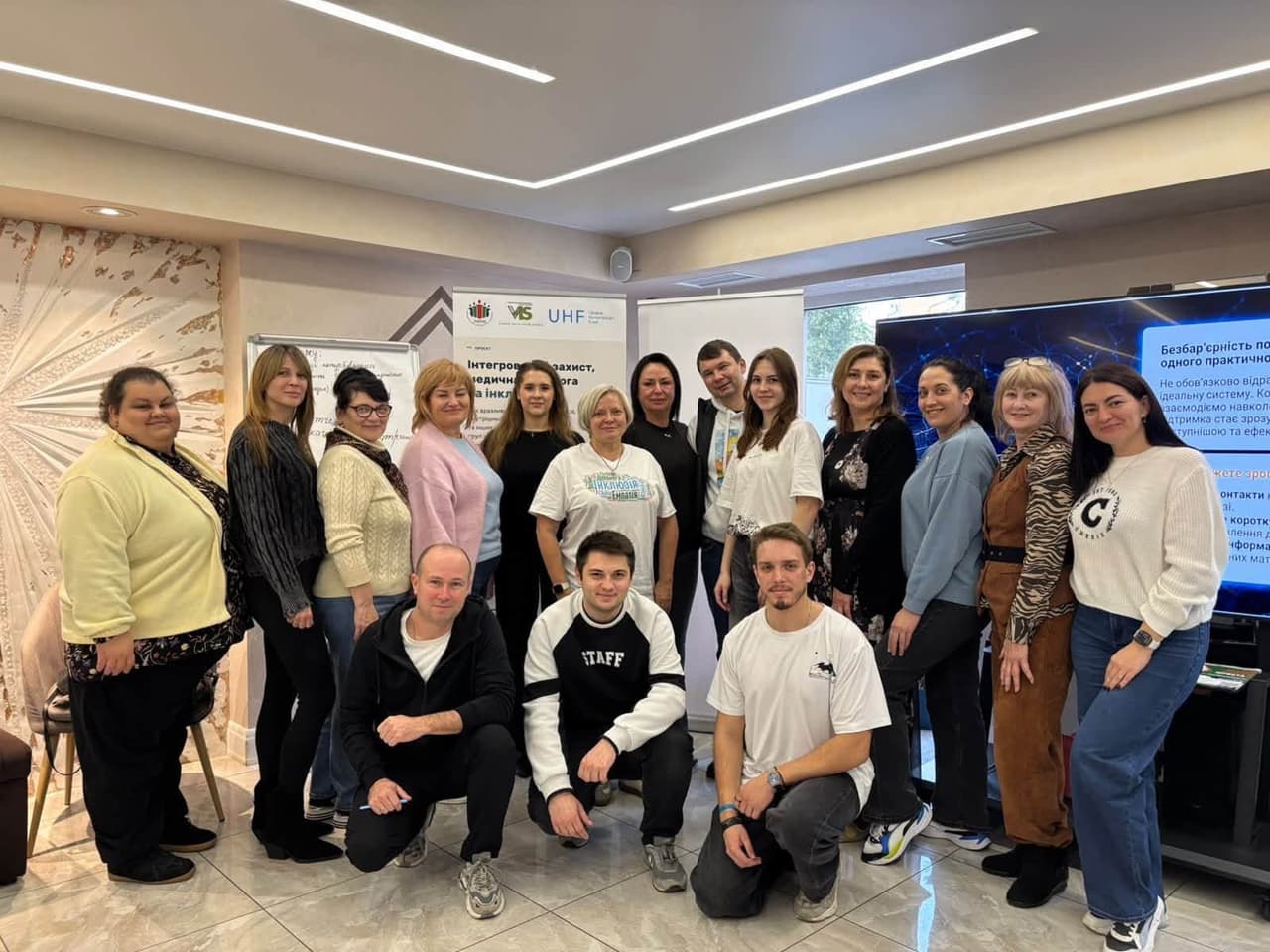
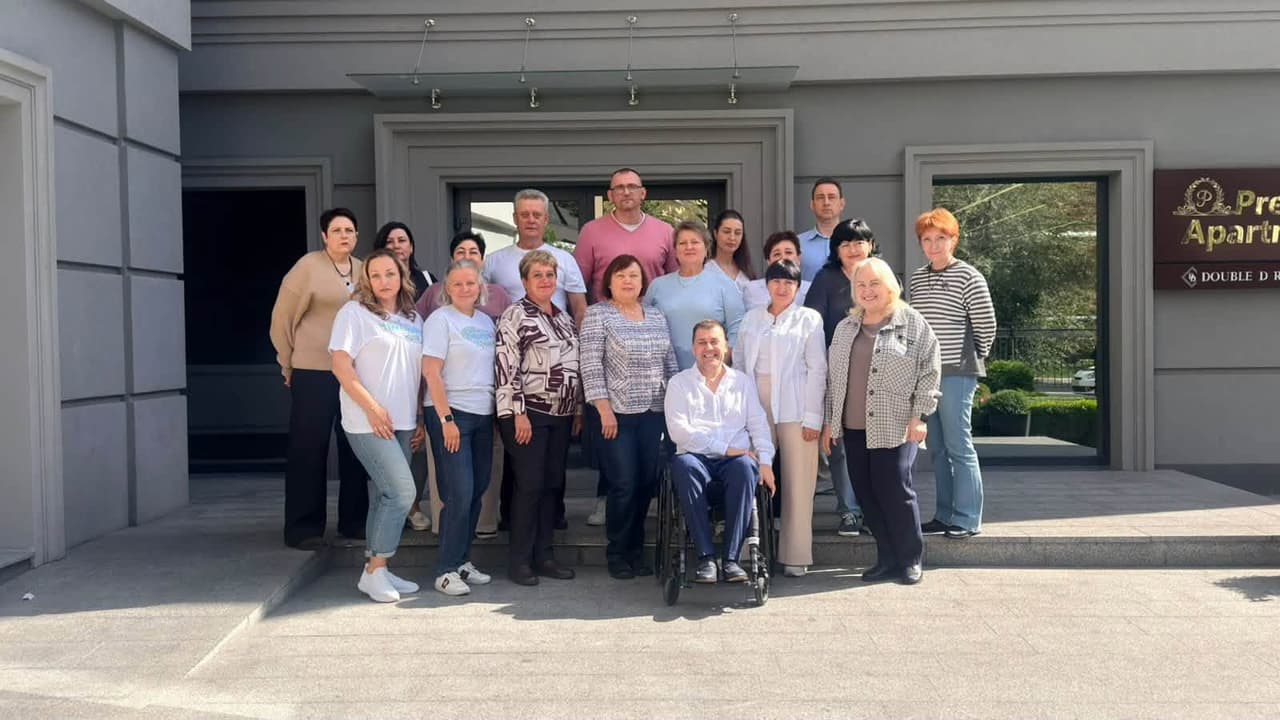
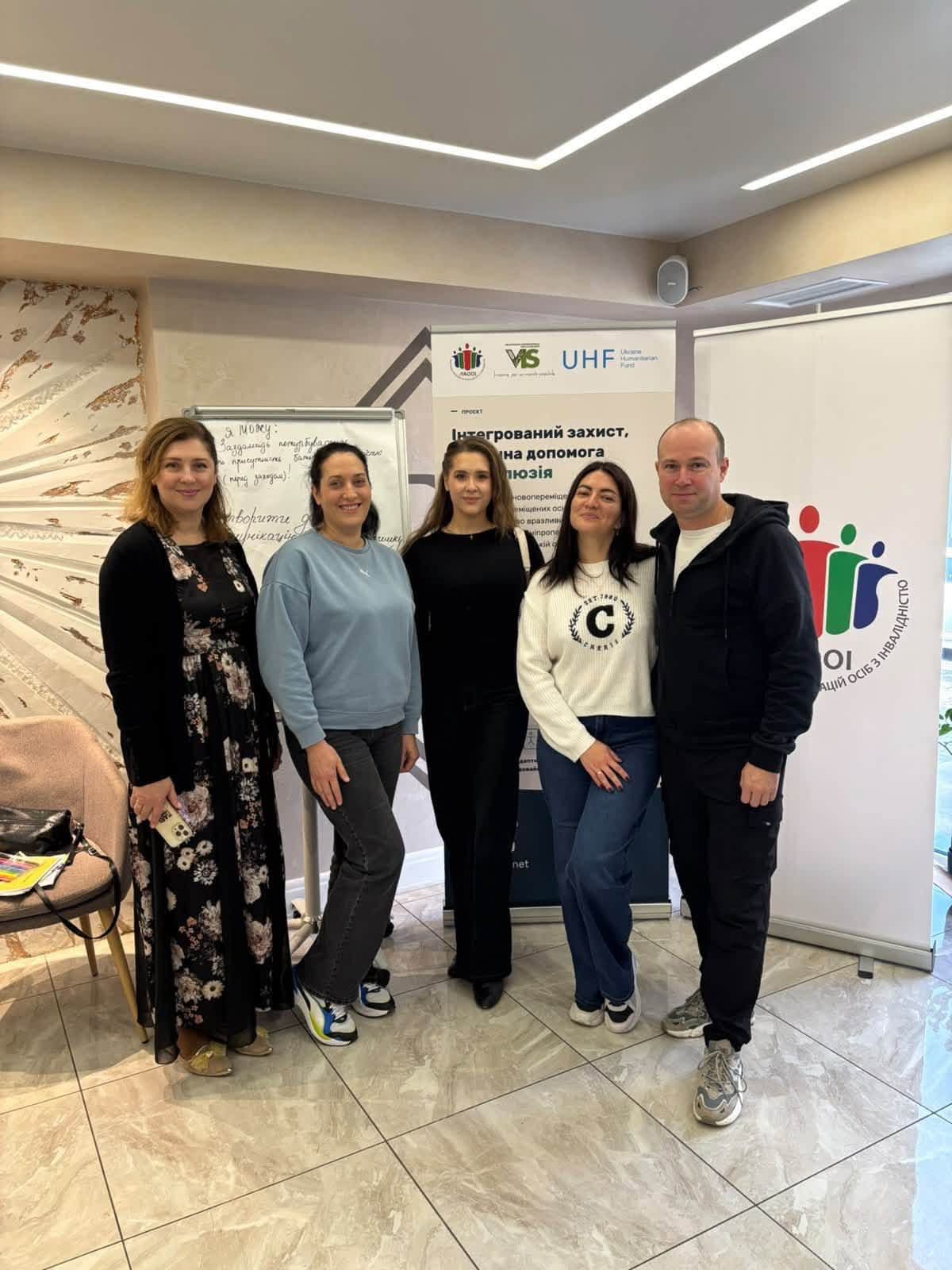
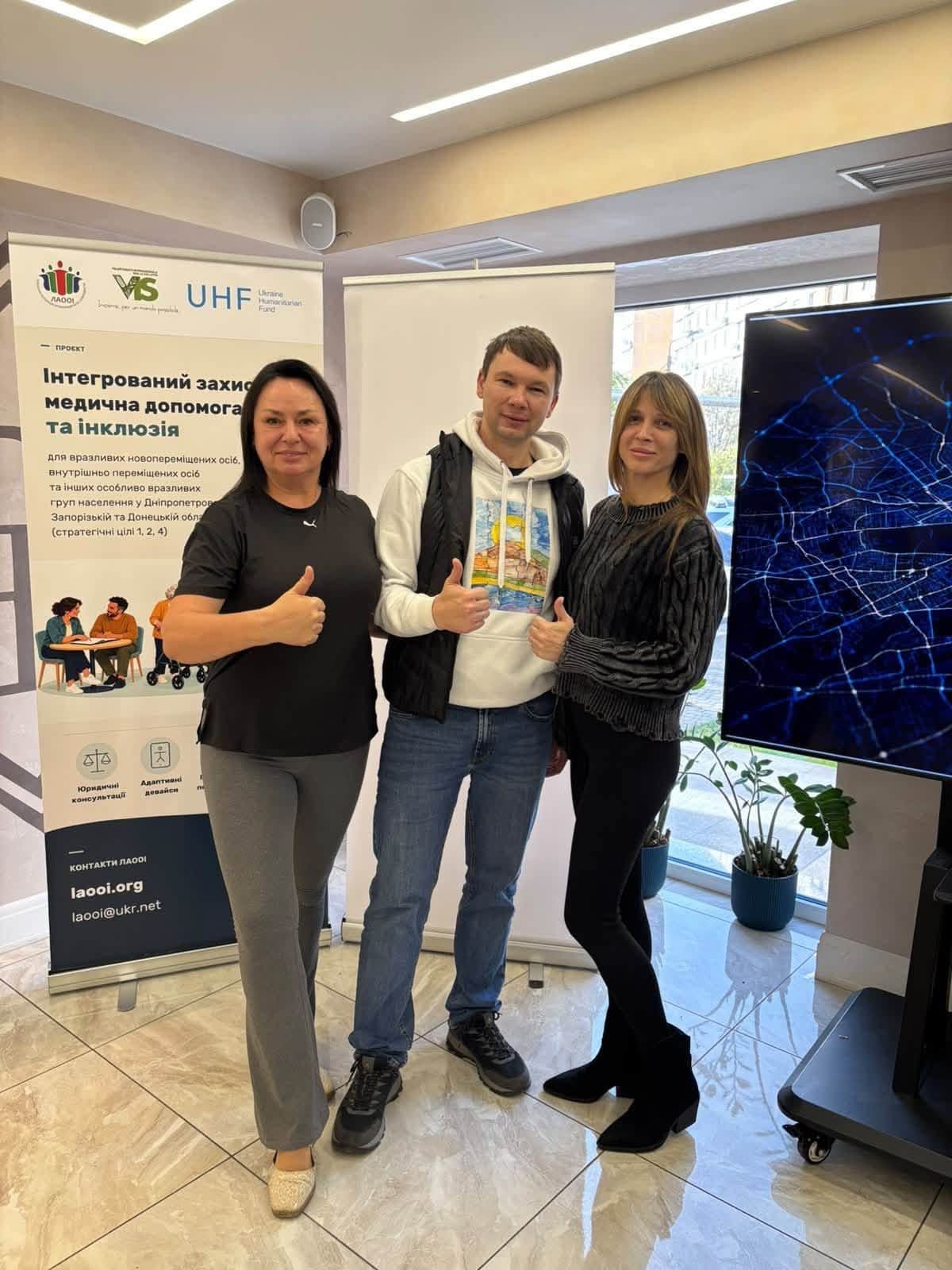
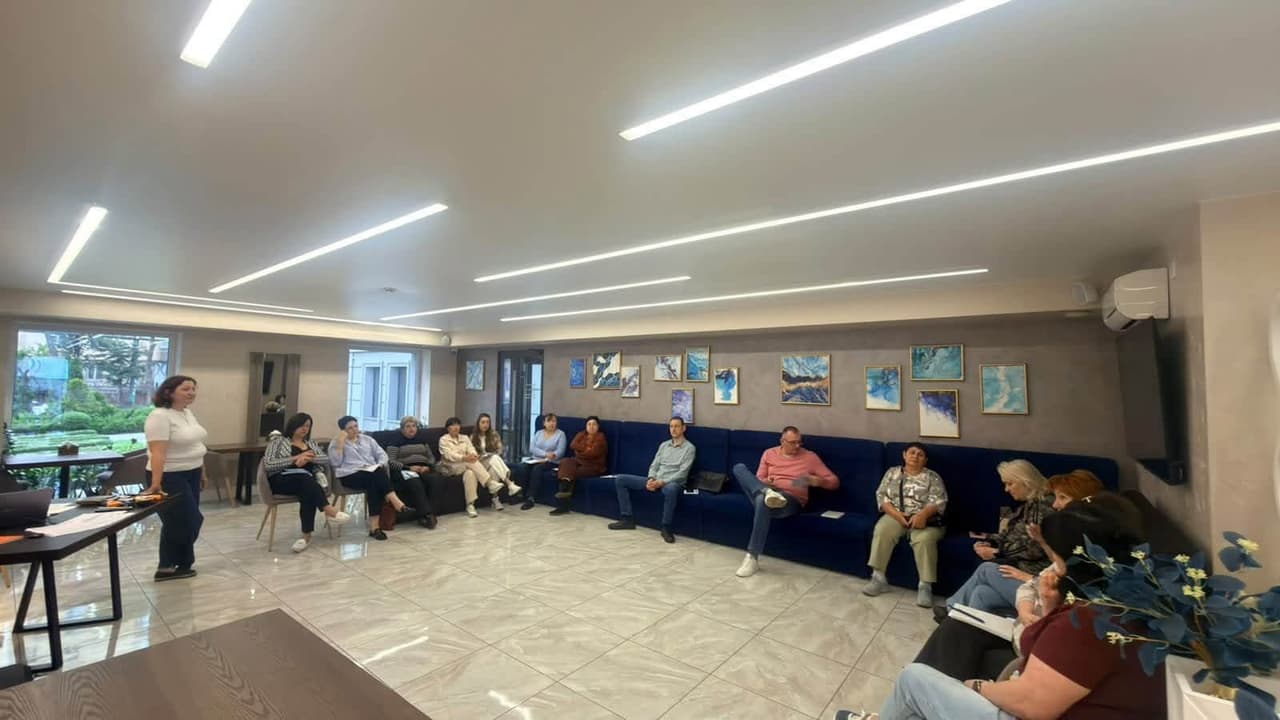
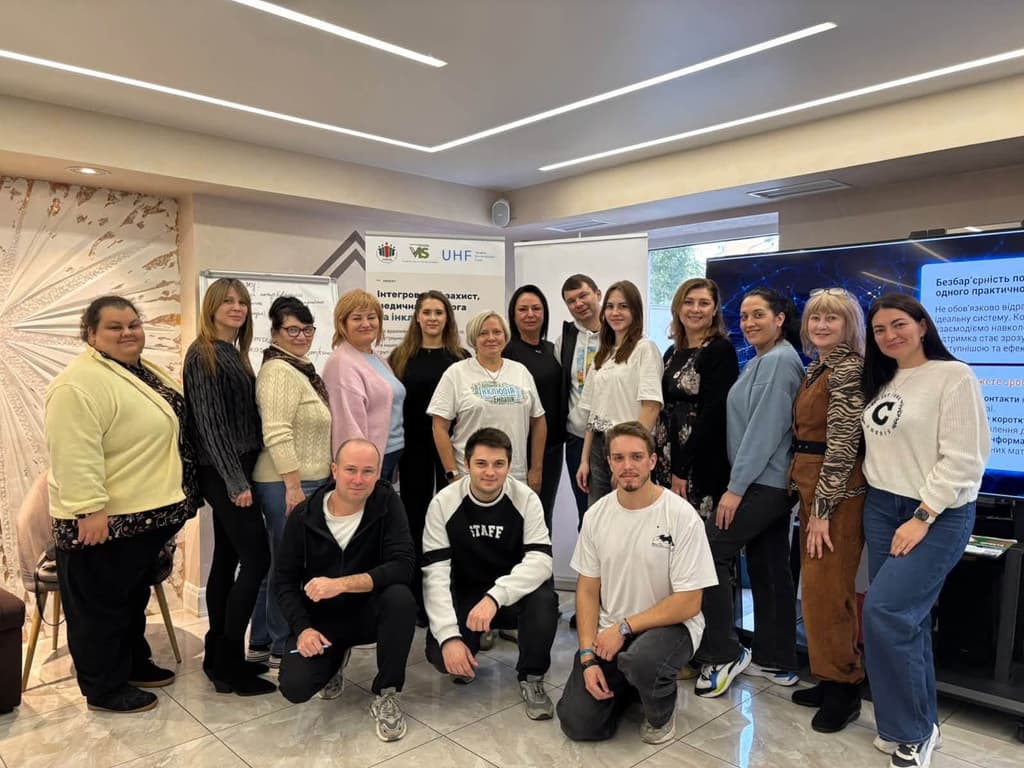
Behind every one of our training sessions lie more than just hours of instruction, new knowledge, and certificates. Above all, there are people—individuals who travel hundreds of kilometers to excel in their professions and drive change within their own communities. Our participants are professionals from various fields who provide essential services to the public every day: healthcare workers, educators, social workers, and representatives of various institutions and organizations.
Many of them arrive from areas near the front line, where air raid sirens, shelling, and constant danger have long since become a part of daily life.
For them, traveling to a training session is not merely a matter of spending a few hours on the road. It involves complex logistics, exhausting journeys, and, at times, genuine risks to their personal safety. Yet, despite everything, they make the trip—driven by a desire to learn more. They want to reduce barriers within their hospitals, educational institutions, and social service centers. They strive to ensure that people with disabilities, children, the elderly, and anyone in need of support can access high-quality, inclusive services—even under the most challenging circumstances. We value this motivation immensely.
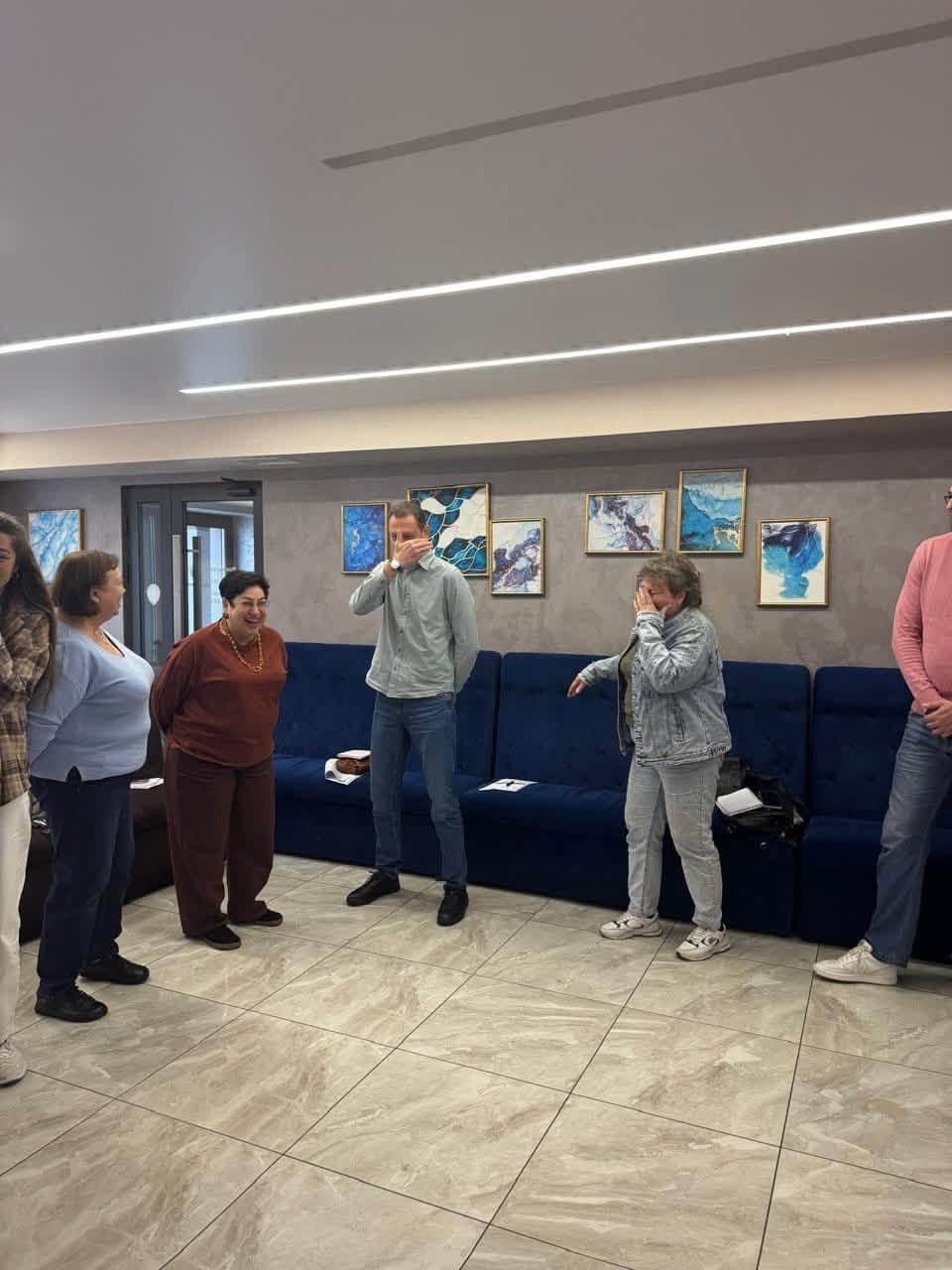
That is why, at LAOOI, we strive to ensure that our training sessions serve not only as a space for acquiring knowledge but also as an opportunity to take a brief respite from the daily strain. We strive to create a comfortable, friendly, and psychologically safe atmosphere for participants—a space where they can connect with colleagues, share their experiences, find support, take a break, and recharge. After all, those who help others every day also need care themselves.
We are sincerely grateful to everyone who, despite dangers and hardships, finds the strength to learn, grow, and work toward positive change. Our communities rely on people like them.
Our training sessions are conducted as part of the project "Integrated Protection, Medical Assistance, and Inclusion for Vulnerable Newly Displaced Persons, Internally Displaced Persons, and Other Highly Vulnerable Groups in the Dnipropetrovsk, Zaporizhzhia, and Donetsk Regions (Priorities 1, 2, and 4)."
The project is supported by the Ukraine Humanitarian Fund (UHF) and implemented by the Luhansk Association of Organizations of Persons with Disabilities (LAOOI) and Volontariato Internazionale per lo Sviluppo (VIS).
News and events
All publicationsArticles
The Path to Change: Not Always a Safe Journey
The Path to Change: Not Always a Safe Journey Behind every one of our training sessions lie more than just hours of instruction, new knowledge, and certificates. Above all, there are people—individuals who travel hundreds of kilometers to excel in their professions and drive change within their own communities. Our participants are professionals from various fields who provide essential services to the public every day: healthcare workers, educators, social workers, and representatives of various institutions and organizations. Many of them arrive from areas near the front line, where air raid sirens, shelling, and constant danger have long since become a part of daily life. For them, traveling to a training session is not merely a matter of spending a few hours on the road. It involves complex logistics, exhausting journeys, and, at times, genuine risks to their personal safety. Yet, despite everything, they make the trip—driven by a desire to learn more. They want to reduce barriers within their hospitals, educational institutions, and social service centers. They strive to ensure that people with disabilities, children, the elderly, and anyone in need of support can access high-quality, inclusive services—even under the most challenging circumstances. We value this motivation immensely. That is why, at LAOOI, we strive to ensure that our training sessions serve not only as a space for acquiring knowledge but also as an opportunity to take a brief respite from the daily strain. We strive to create a comfortable, friendly, and psychologically safe atmosphere for participants—a space where they can connect with colleagues, share their experiences, find support, take a break, and recharge. After all, those who help others every day also need care themselves. We are sincerely grateful to everyone who, despite dangers and hardships, finds the strength to learn, grow, and work toward positive change. Our communities rely on people like them. Our training sessions are conducted as part of the project "Integrated Protection, Medical Assistance, and Inclusion for Vulnerable Newly Displaced Persons, Internally Displaced Persons, and Other Highly Vulnerable Groups in the Dnipropetrovsk, Zaporizhzhia, and Donetsk Regions (Priorities 1, 2, and 4)." The project is supported by the Ukraine Humanitarian Fund (UHF) and implemented by the Luhansk Association of Organizations of Persons with Disabilities (LAOOI) and Volontariato Internazionale per lo Sviluppo (VIS).
06.11.2026
Read more
Articles
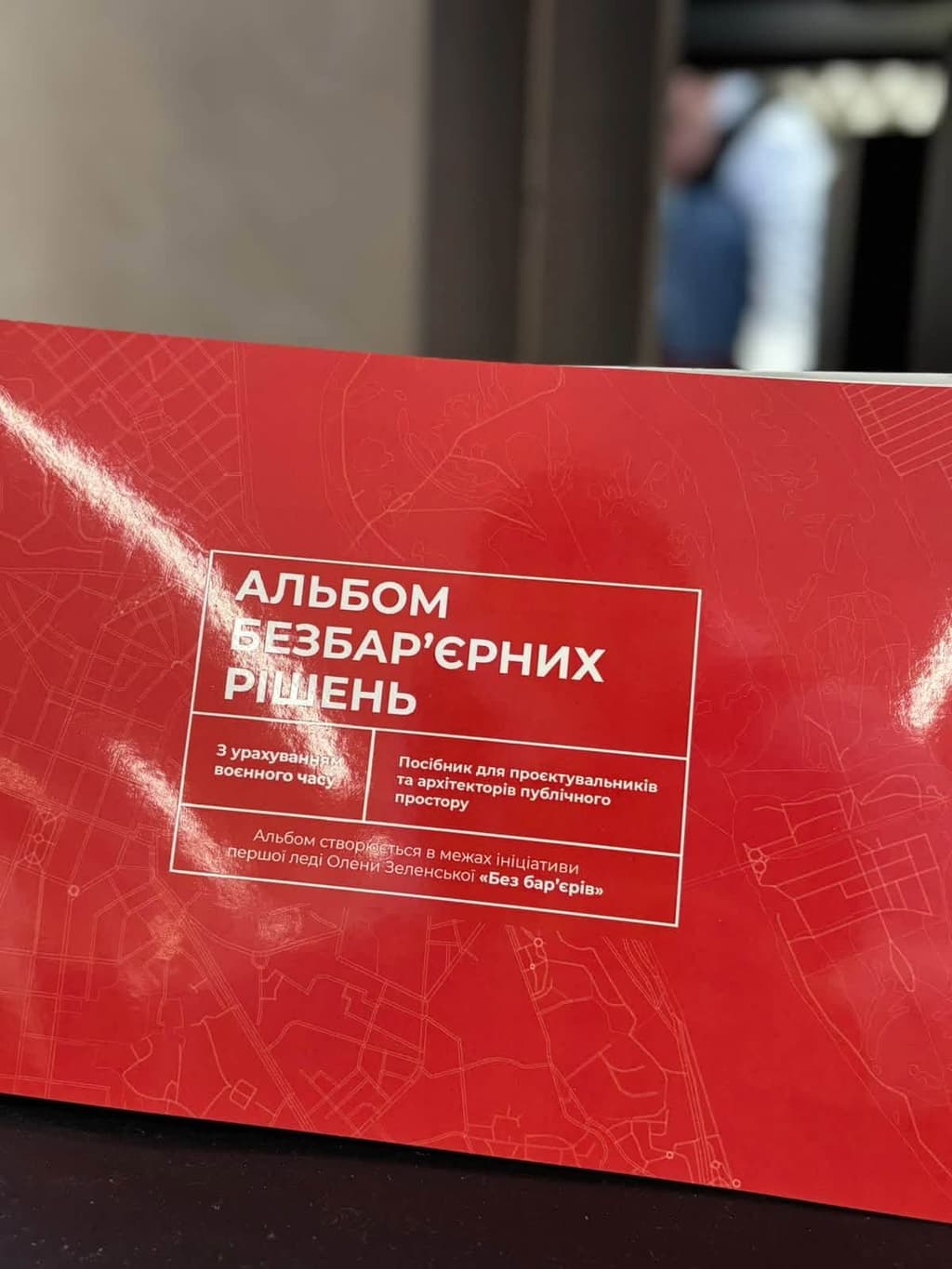
Not just knowledge, but tools for real change!
Not just knowledge, but tools for real change! Each of our trainings on barrier-free environments is much more than just a few days of instruction. We ensure that the knowledge gained does not simply remain in notes, but becomes an integral part of our participants' daily work. That is why, at every LAOOI training session, we provide participants with a printed copy of the "Album of Barrier-Free Solutions"—a practical guide designed to help create accessible and comfortable spaces for everyone. It contains concrete solutions, recommendations, and examples for developing a barrier-free environment that can be applied in professional practice. And that is just a fraction of what our participants receive! Upon completing the training, participants leave not only with a certificate but also with a wealth of knowledge, useful resources, and practical tools. Most importantly, we stay in touch, continuing to offer consultation and support to our graduates as they apply what they have learned. For us, it is not enough to simply conduct a training session; we want to see barriers disappear and new opportunities emerge for people as a result of this learning. The "Album of Barrier-Free Solutions" was developed as part of the "Barrier-Free" initiative, launched by the First Lady of Ukraine, Olena Zelenska. The project is implemented by the NGO "Barrier-Free" in collaboration with the Ministry for Communities Development, with support from the "Integrated Urban Development in Ukraine II" project—carried out by the Deutsche Gesellschaft für Internationale Zusammenarbeit (GIZ) and funded by the governments of Germany and Switzerland. The Album was developed by the urban planning bureau Big City Lab. Our training sessions are conducted within the framework of the project "Integrated Protection, Medical Assistance, and Inclusion for Vulnerable Newly Displaced Persons, Internally Displaced Persons, and Other Highly Vulnerable Groups in the Dnipropetrovsk, Zaporizhzhia, and Donetsk Regions (Priorities 1, 2, 4)." The project is supported by the Ukraine Humanitarian Fund (UHF) and implemented by the Luhansk Association of Organizations of Persons with Disabilities (LAOOI) and Volontariato Internazionale per lo Sviluppo (VIS).
04.11.2026
Read more
Events
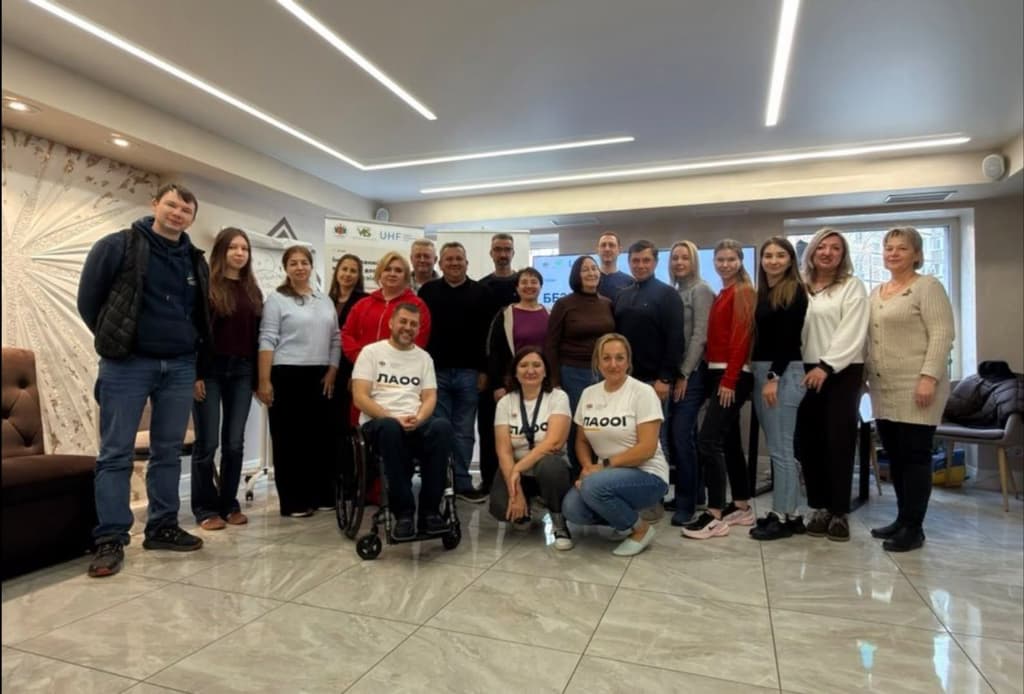
Creating a barrier-free environment begins with knowledge and is brought to life through action!
Creating a barrier-free environment begins with knowledge and is brought to life through action! How can spaces be made accessible to everyone? How can assistance be provided without bias or barriers? How can one support others while maintaining one’s own resilience? These were the core questions addressed during the "Barrier-Free Environment in Action: Inclusion, Protection, and Resilience" training sessions, organized in Dnipro by the LAOOI team. Participants included staff from the Nikopol City Children’s Hospital, the "Malva" Center for Comprehensive Rehabilitation and Social Adaptation for Children with Disabilities, and the "Tilimilitriamdia" speech therapy center. These professionals work daily with children, families, and people with disabilities. It is therefore essential that the principles of a barrier-free environment serve not merely as theory, but as an integral part of their professional practice. Throughout the training, participants not only deepened their knowledge but also engaged with real-life scenarios, exchanged experiences, and sought practical solutions. Together, they learned how to: identify physical barriers and assess the accessibility of premises; ensure equal access to social services; foster inclusive communication with children, families, and people with disabilities; facilitate effective collaboration between institutions and organizations; and prevent professional burnout while maintaining psychological resilience. Special attention was devoted to practical exercises, case studies, and the development of solutions applicable to daily work. The training concluded with the presentation of certificates; however, the most valuable takeaways for the participants were new knowledge, experience, and an understanding of how to translate the principles of a barrier-free environment into tangible change. After all, true inclusion goes beyond merely accessible buildings—it encompasses respect, equal opportunities, and a commitment to recognizing the needs of every individual. This training is conducted as part of the project "Integrated Protection, Medical Assistance, and Inclusion for Vulnerable Newly Displaced Persons, Internally Displaced Persons, and Other Highly Vulnerable Groups in the Dnipropetrovsk, Zaporizhzhia, and Donetsk Regions (Priorities 1, 2, and 4)." The project is supported by the Ukraine Humanitarian Fund (UHF) and implemented by the Luhansk Association of Organizations of Persons with Disabilities (LAOOI) in partnership with Volontariato Internazionale per lo Sviluppo (VIS).
02.11.2026
Read more