Training by LAAOI: practical skills for working in risk zones


10.09.2024
Articles
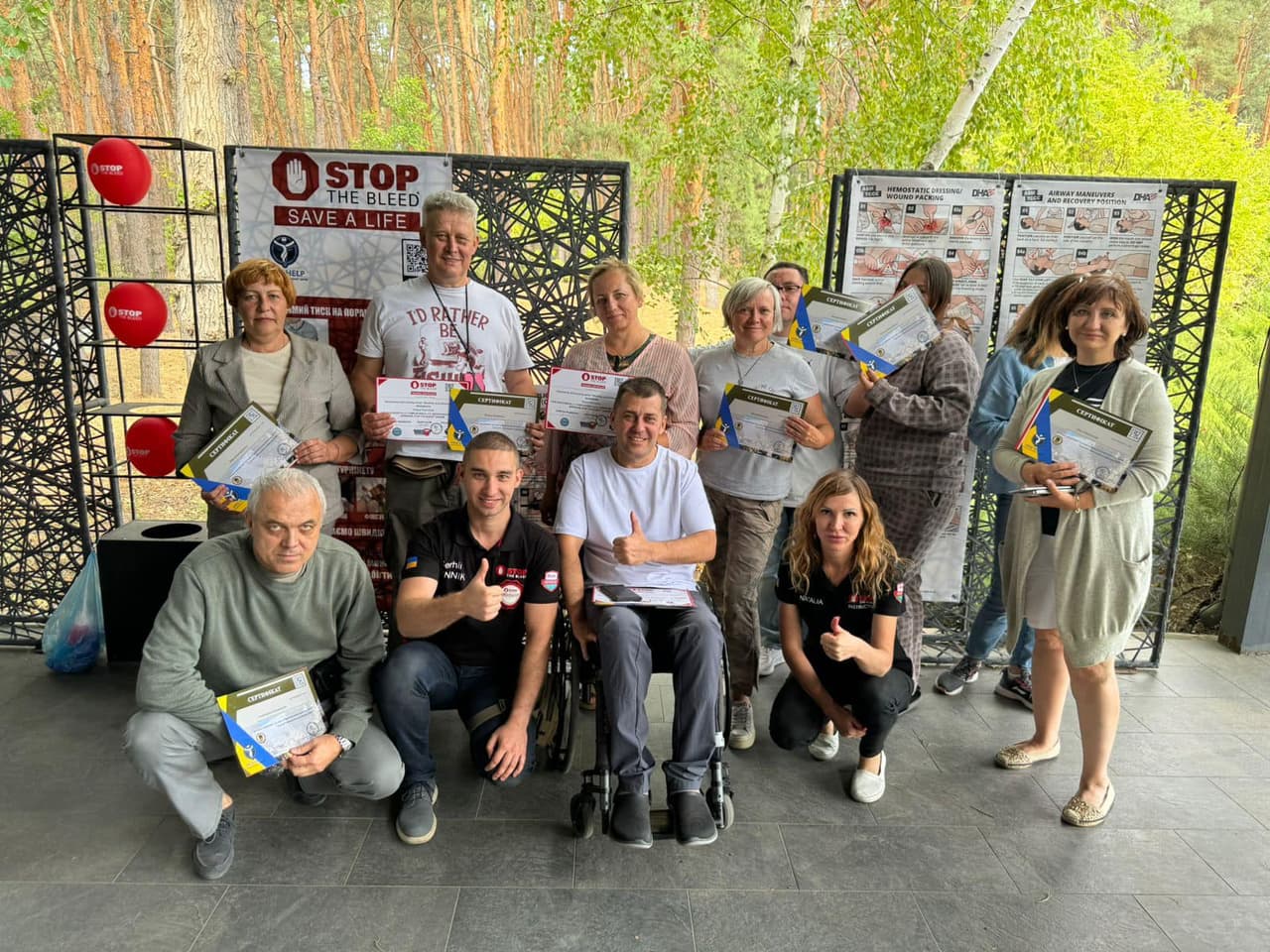
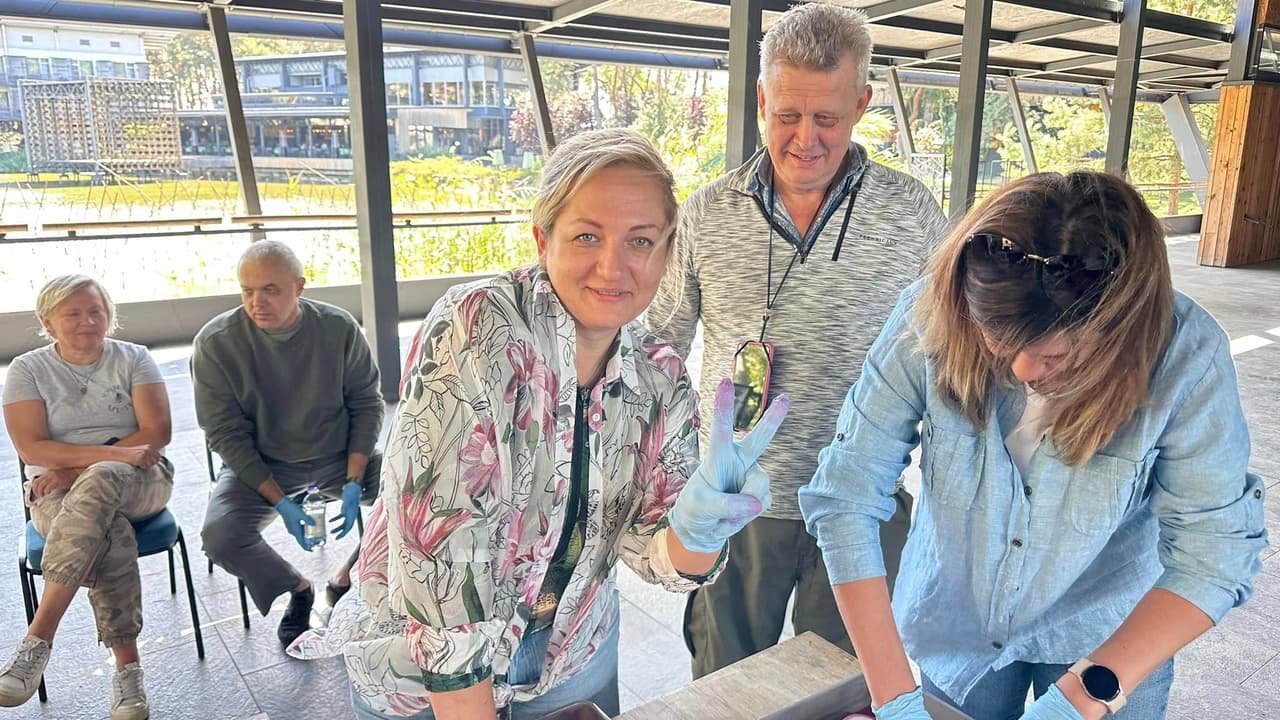
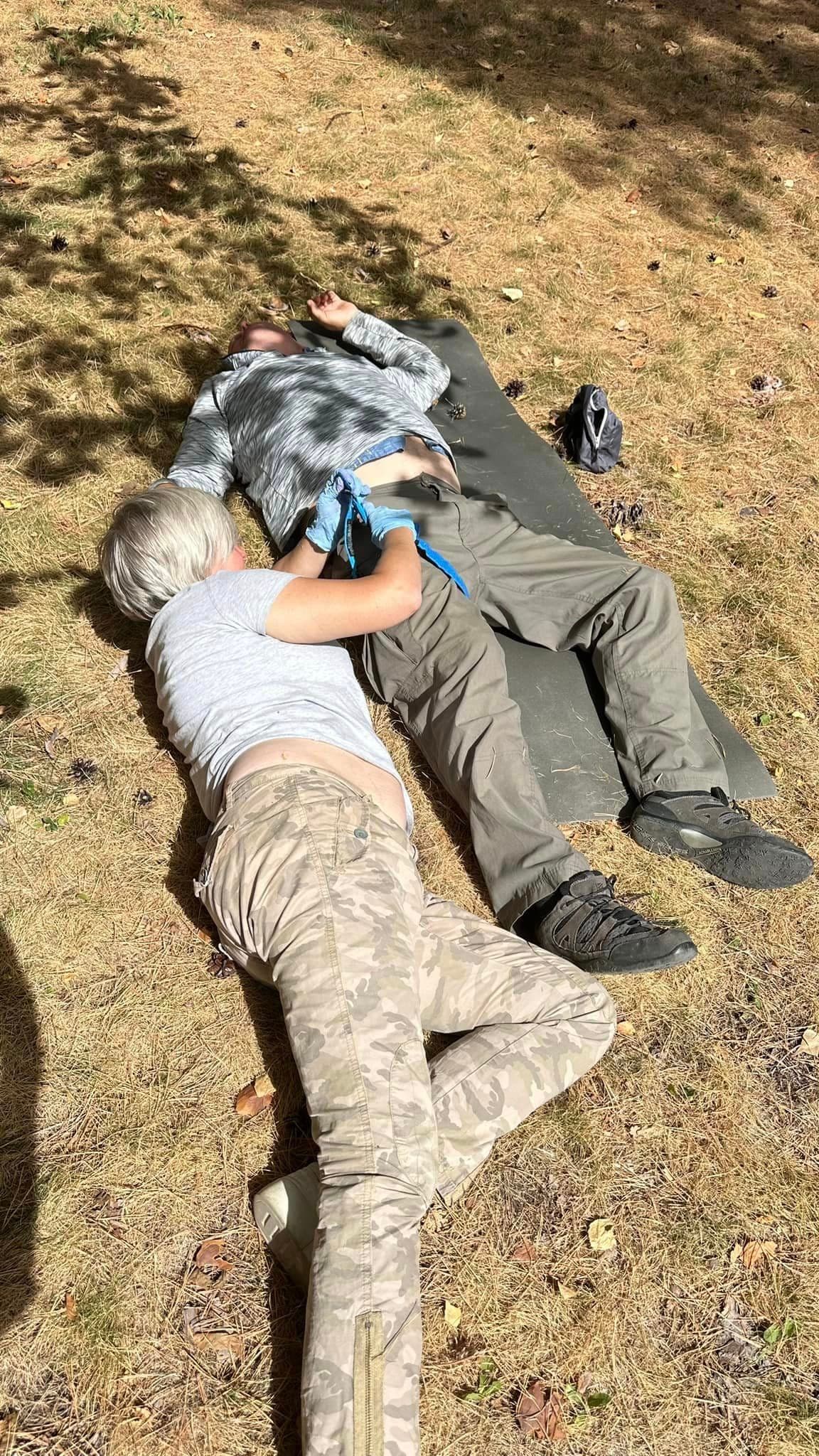
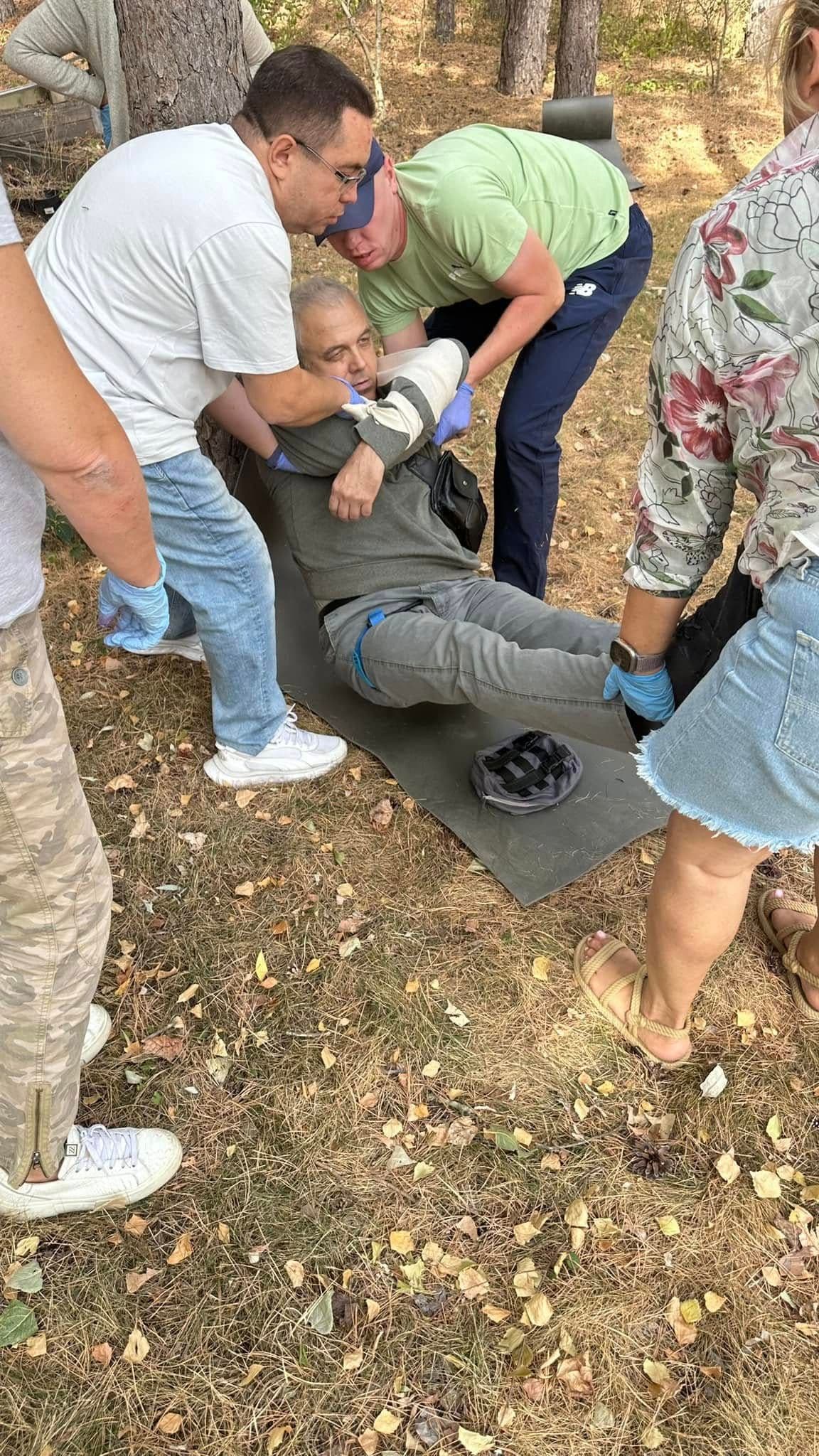
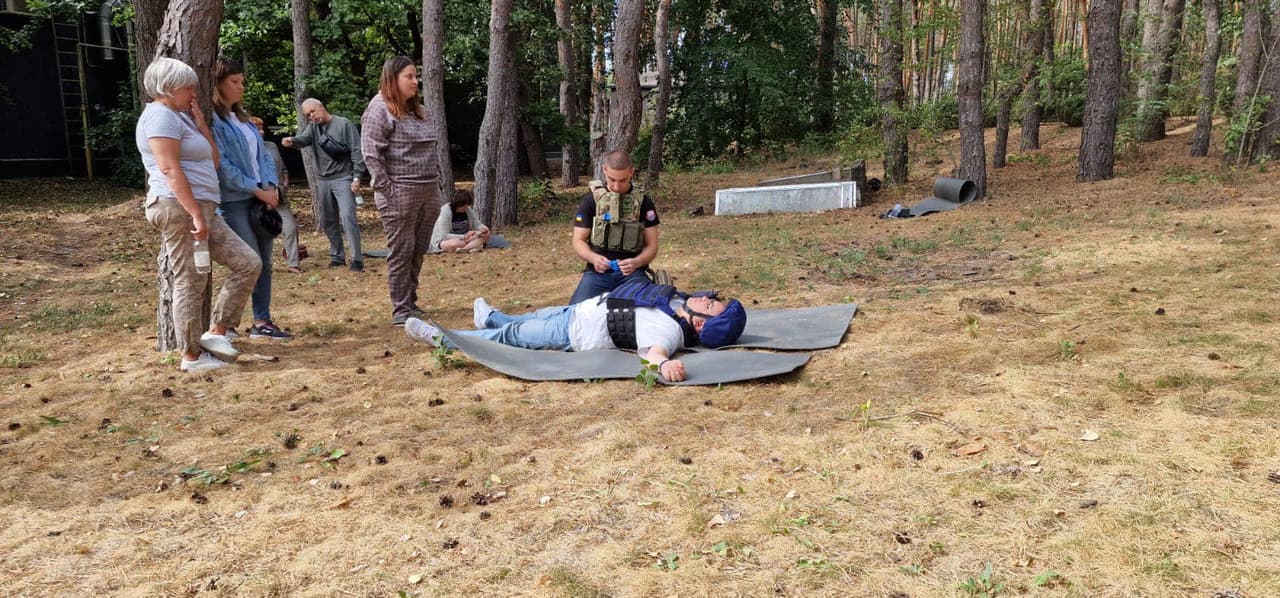
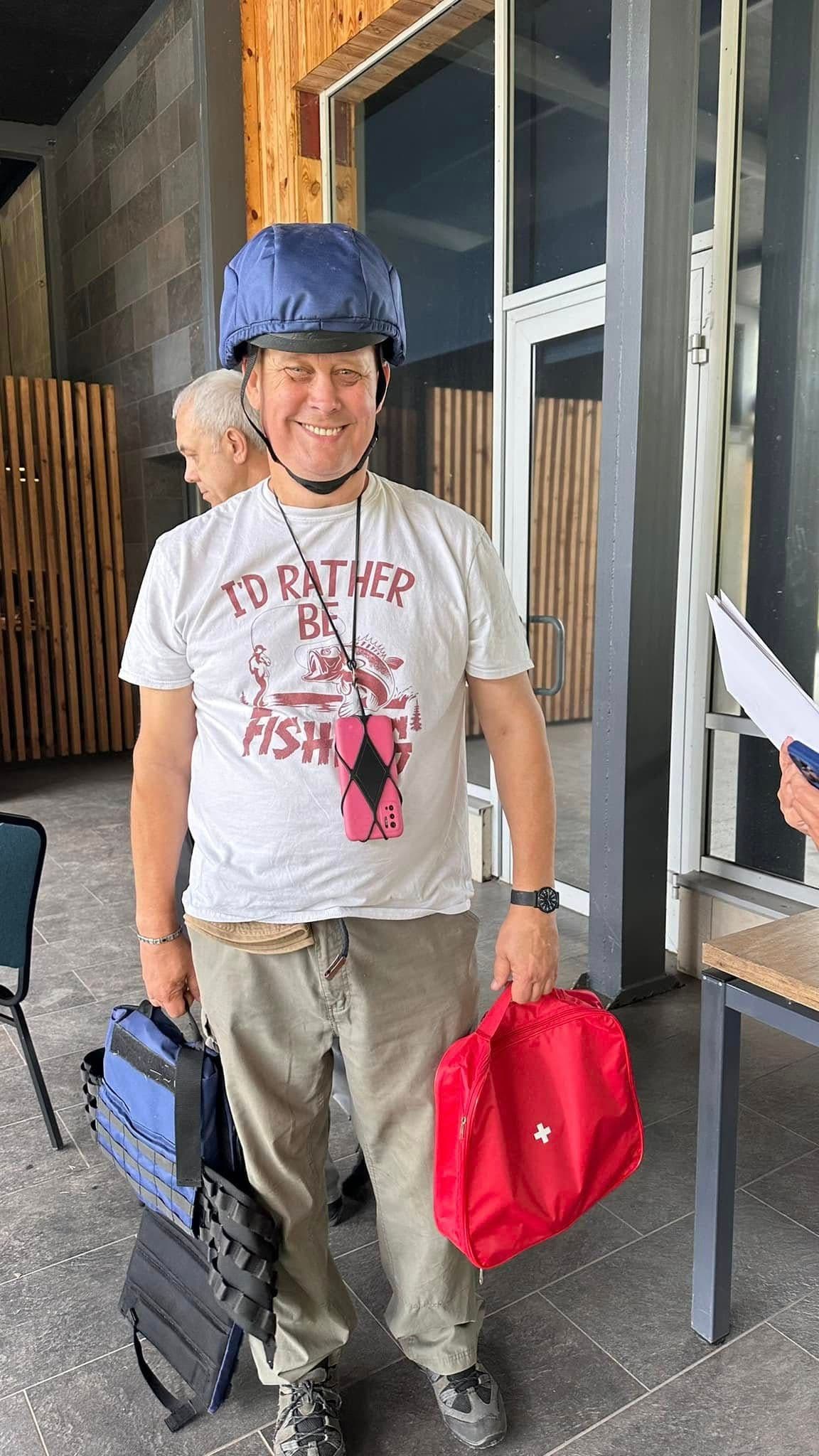
Last weekend, the team of the Lugansk Association of Organizations of Persons with Disabilities participated in an extremely important training on safety basics. Working with humanitarian projects in frontline regions, we are well aware that the risks are real and can happen at any moment. Therefore, the training, which covered first aid, emergency evacuation, explosive safety, and secure communication, became more than just a training for us — it was an investment in our lives and health.
What made this training especially valuable was that we worked with experienced specialists from the NGO "Training Center 'MedHelp and Children's Future'," MedHelp4you, who shared their vast knowledge and experience with us. Their professionalism helped us better understand how to act in emergency situations and ensure safety for ourselves and those around us.
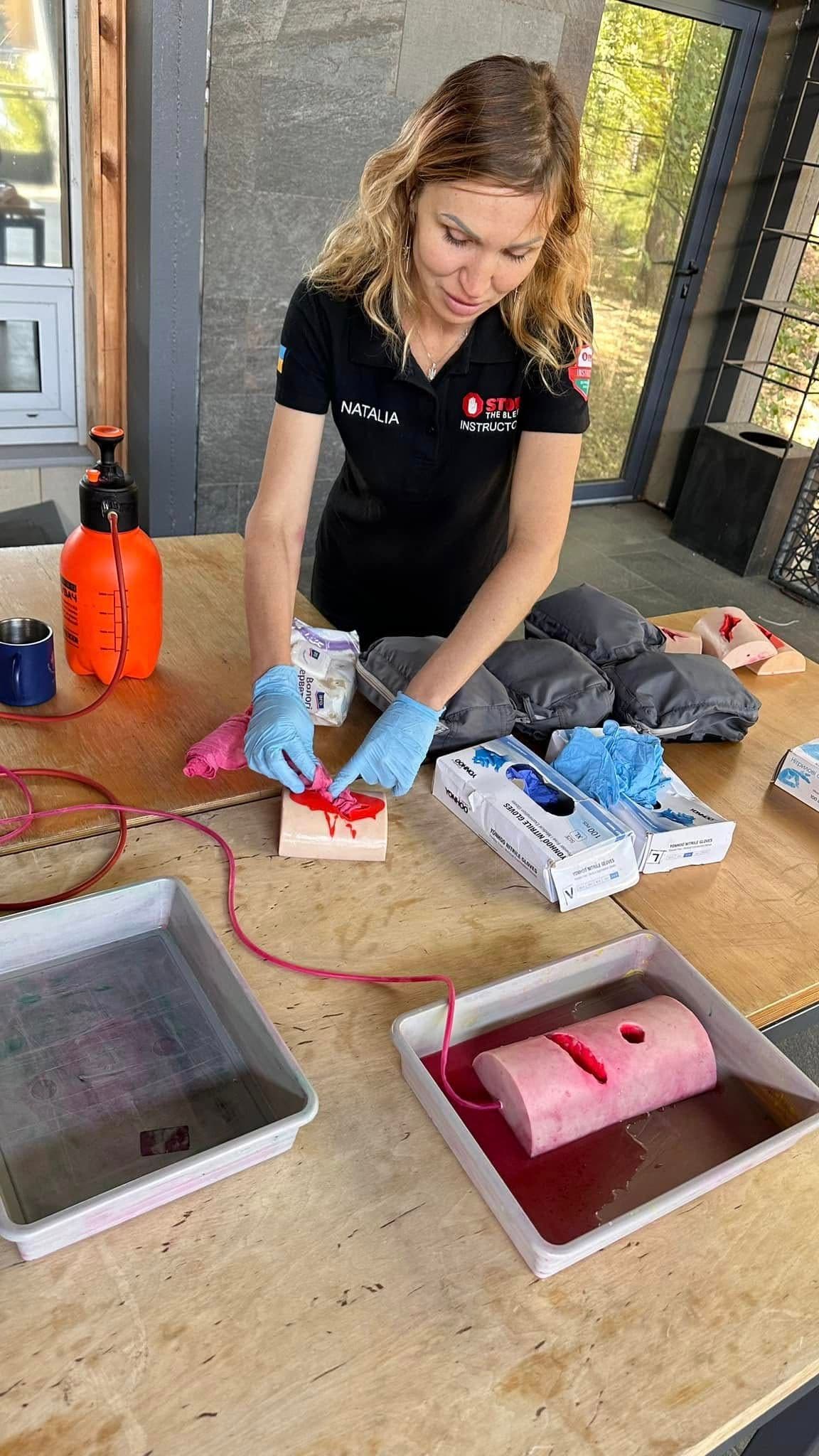
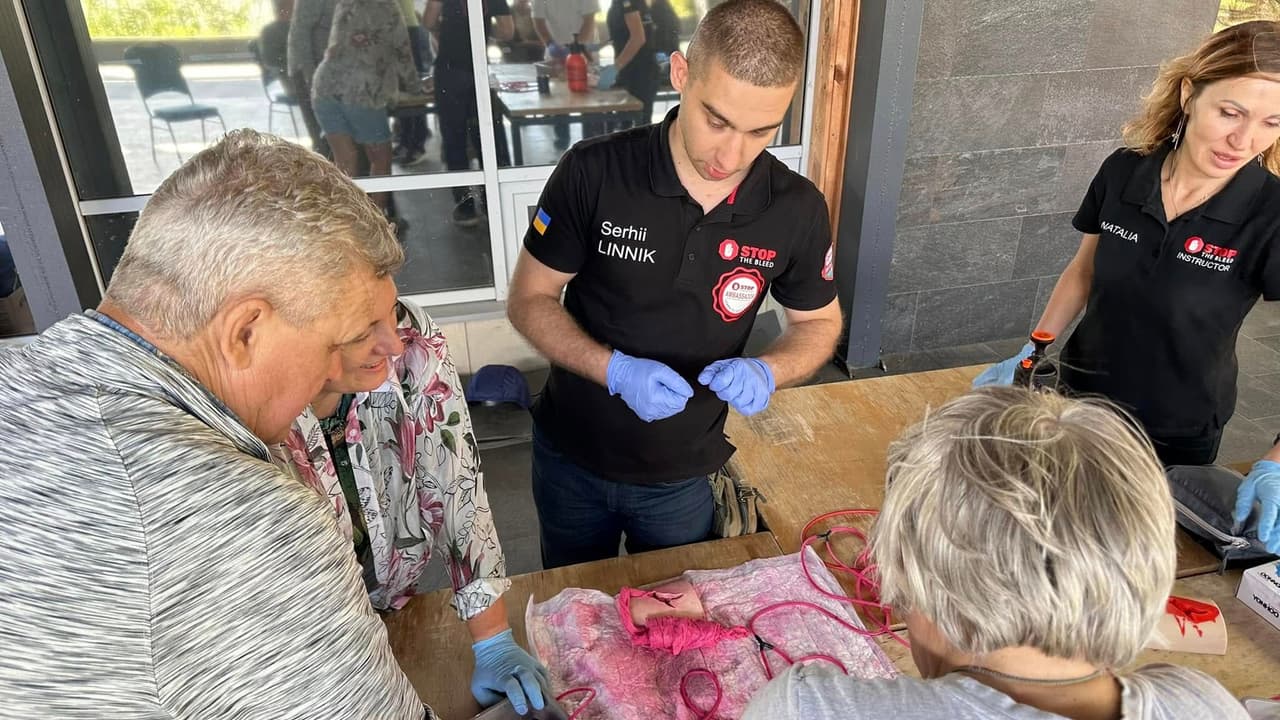
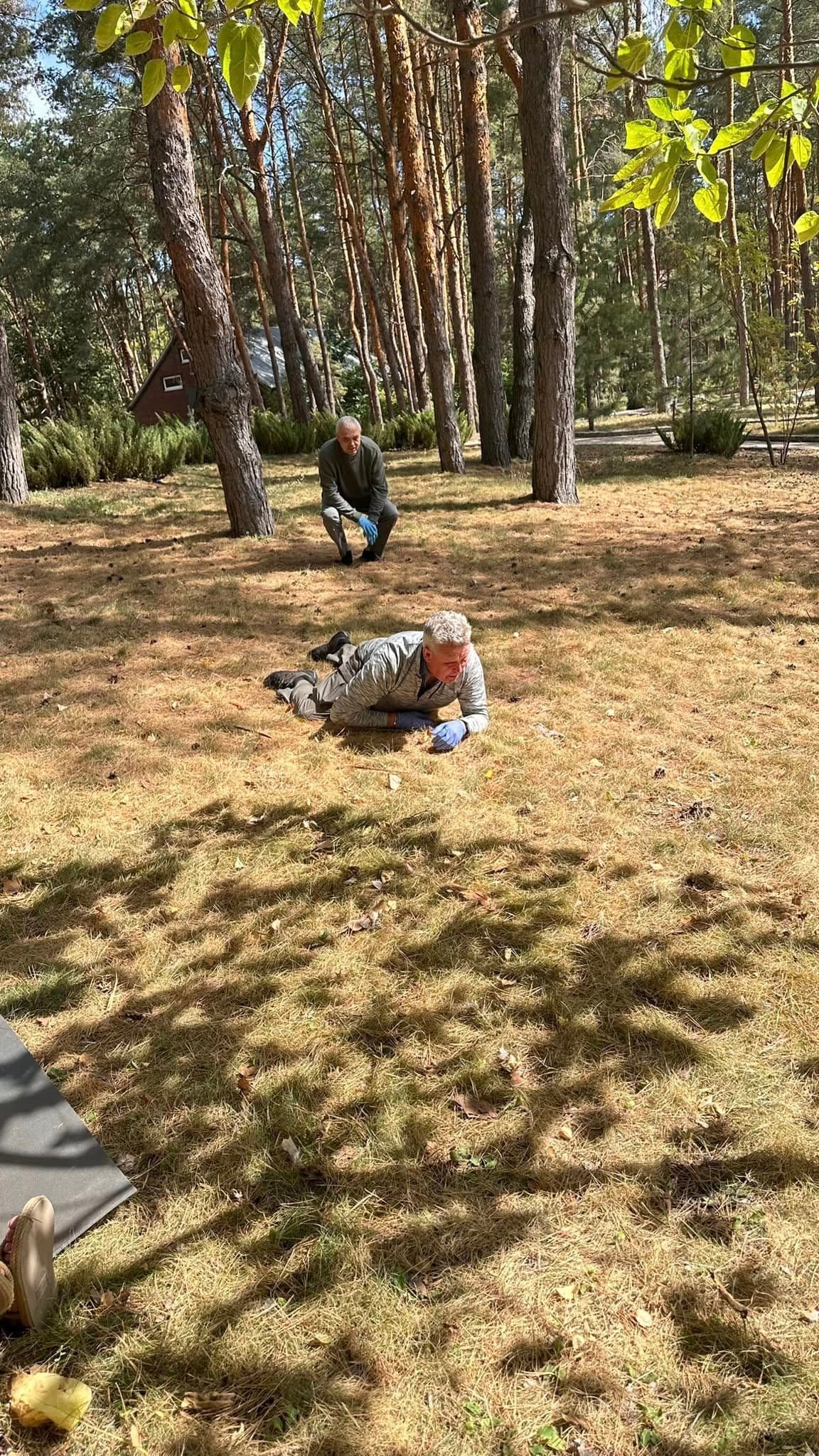
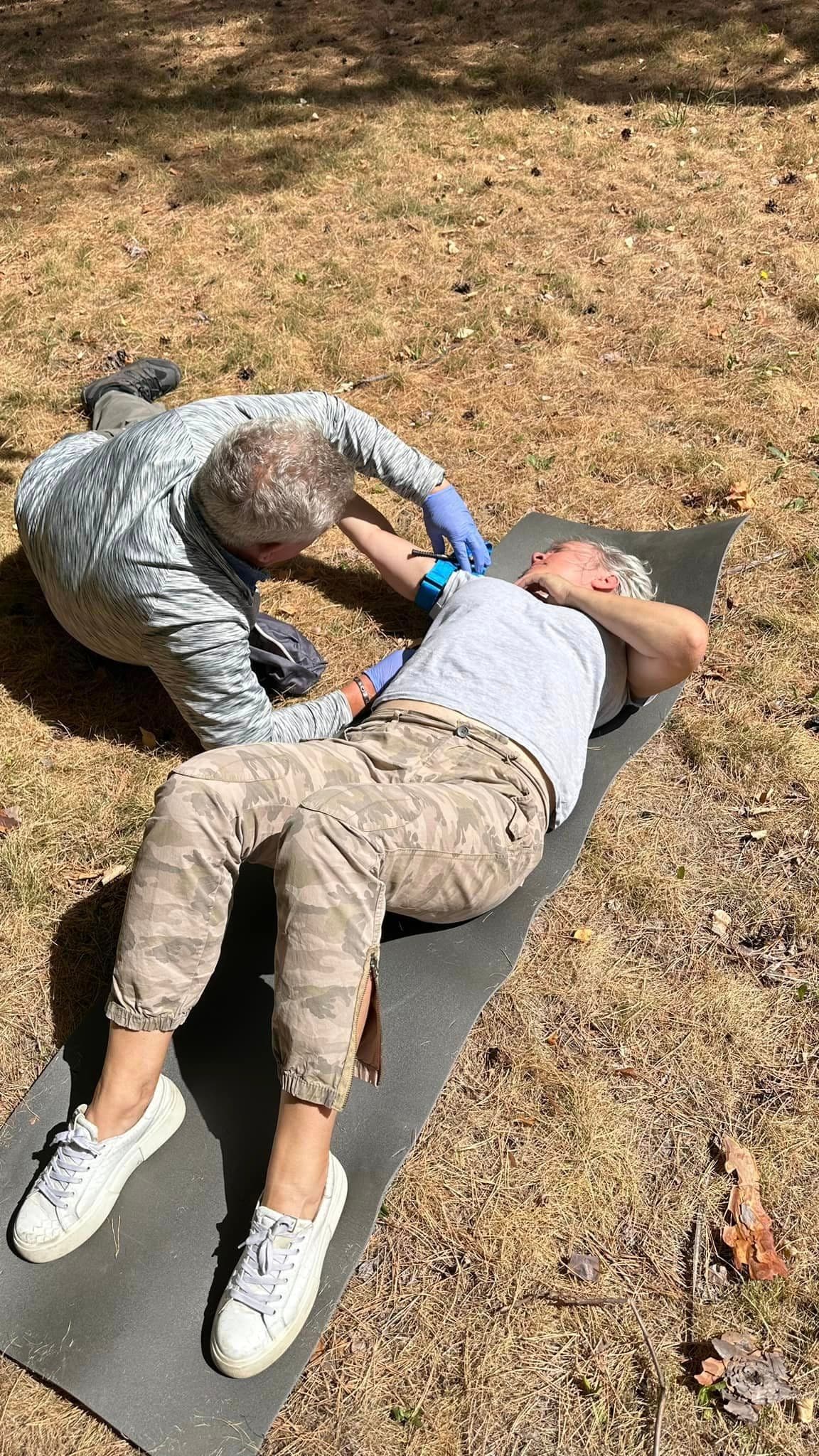
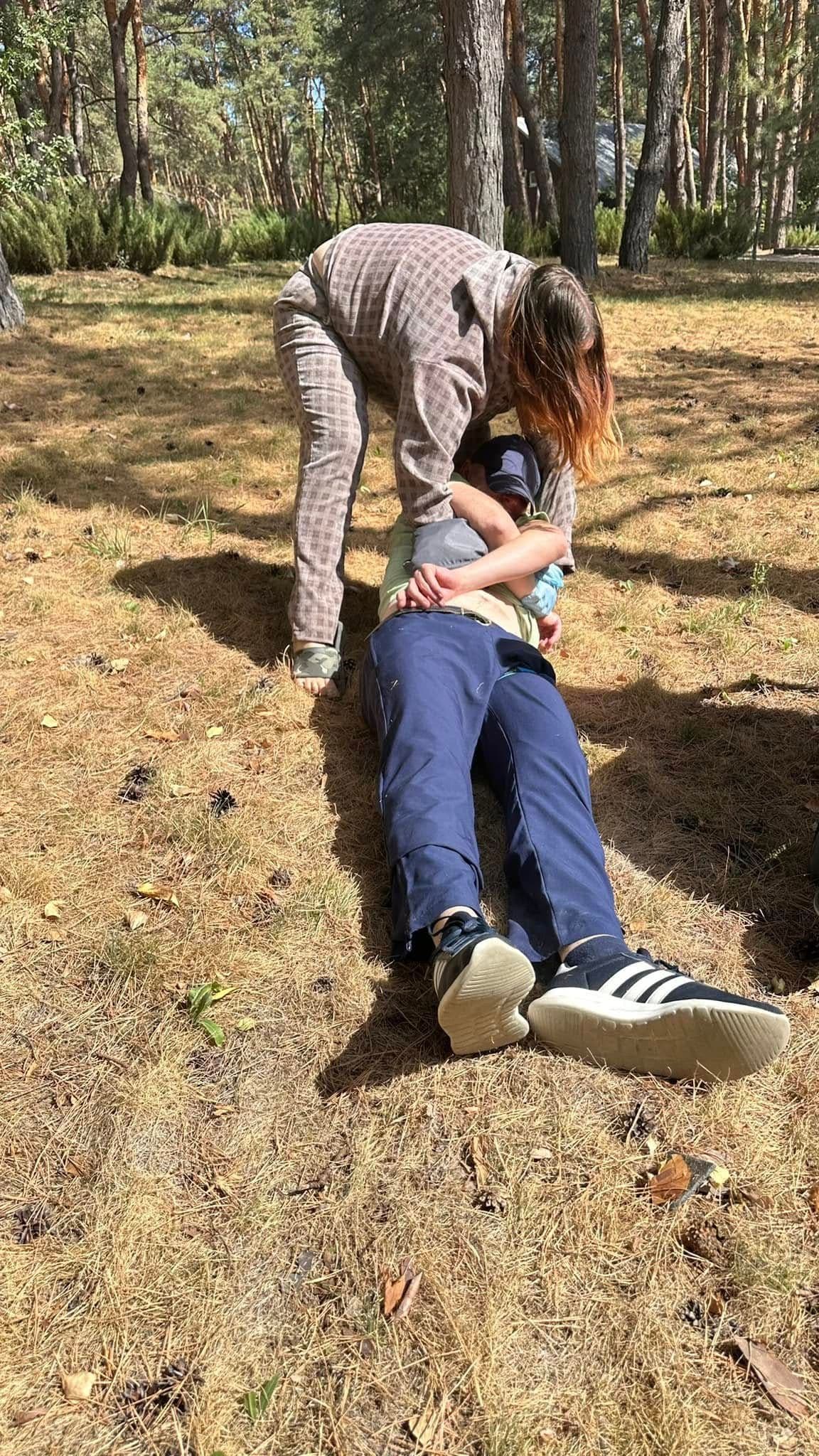
A significant part of the training took place in conditions as close to real life as possible. In the forest, among natural obstacles, we practiced first aid, applied tourniquets, conducted casualty assessments, dressed wounds, and evacuated each other. These weren’t just theoretical lessons — each of us had the chance to experience firsthand how crucial it is to act timely and correctly in crisis situations.
We learned attentively, trying to absorb every detail, because we know these skills could one day save lives. However, this is the one case where we genuinely hope that our new skills will remain just theoretical. The safety training gave us confidence that we are ready for any challenges, but at the same time, each of us hopes these skills will never be needed in real-life situations.
It’s important for us not only to help others but also to ensure our own safety during this mission. While the threats are real, we are firmly determined to continue our work, because helping people in such conditions is not just a challenge but our duty.
The LAAOI team training was conducted as part of the project "Path to Integration: Humanitarian Aid in Ukraine," which we are implementing together with our partners Solidar Suisse and SOLIDAR SUISSE UKRAINE.
News and events
All publicationsNews
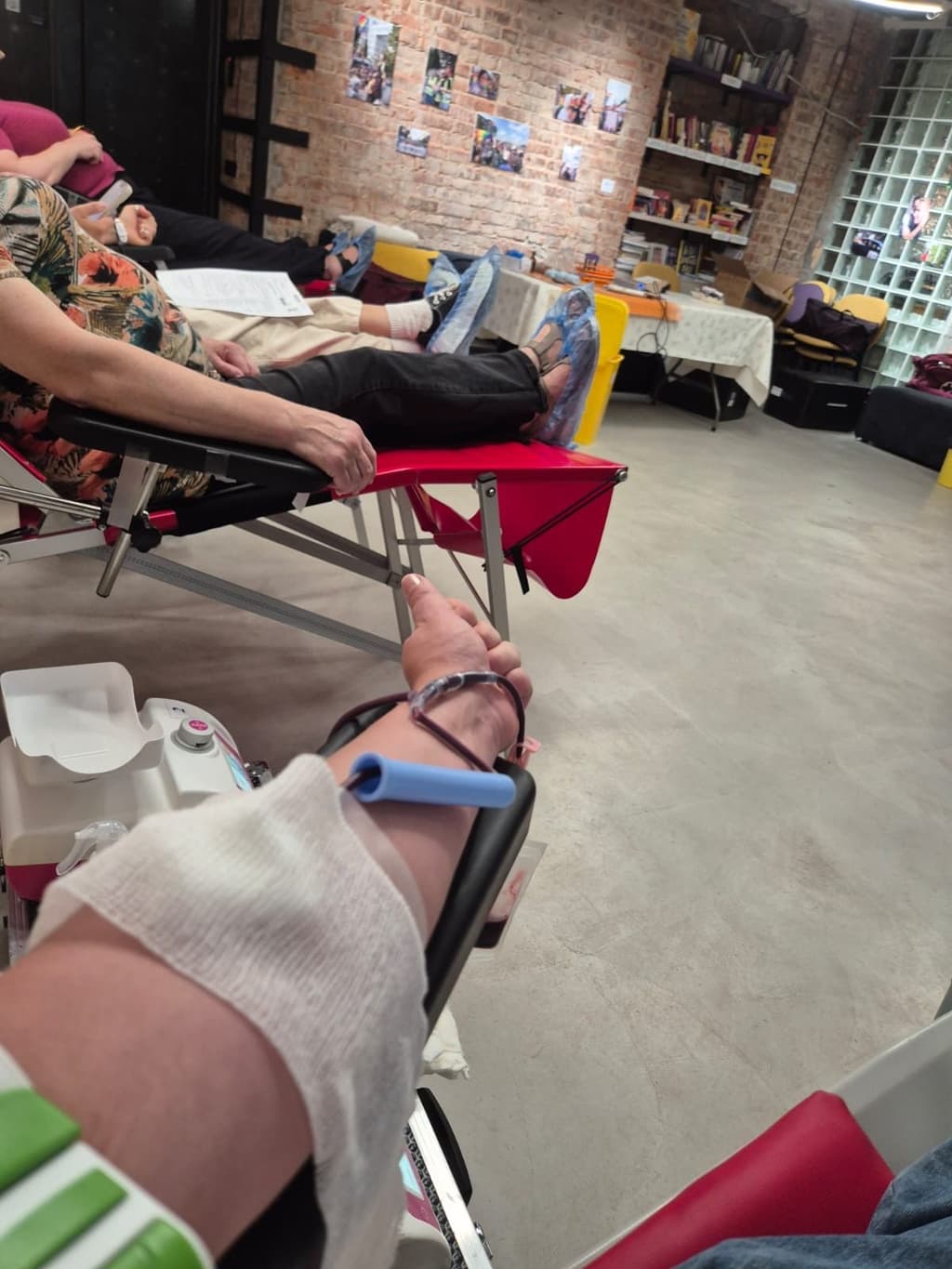
When Help Is Literally in Your Blood
Today, the team of the Luhansk Association of Organizations of Persons with Disabilities (LAOPD) joined the “Rotary Saves Lives” Blood Donor Day in Kharkiv. Blood donation is one of those cases where just a few minutes of your time can give someone a chance to recover, undergo a vital operation, or sometimes — quite literally — a chance to live. Especially now, during the war, the need for donated blood remains constant. We believe there are many ways to help: through our work, knowledge, volunteering, and supporting others. And another way is to become a blood donor, if your health allows. Today, a mark representing LAOPD was added to the symbolic donor board. Behind each such drop is more than just 450 ml of donated blood. It may represent a life saved. We thank the organizers of this initiative and everyone who donated blood in Kharkiv today. Because sometimes, to make a big difference, all you need to do is simply extend your arm.
11.09.2026
Read more
Articles
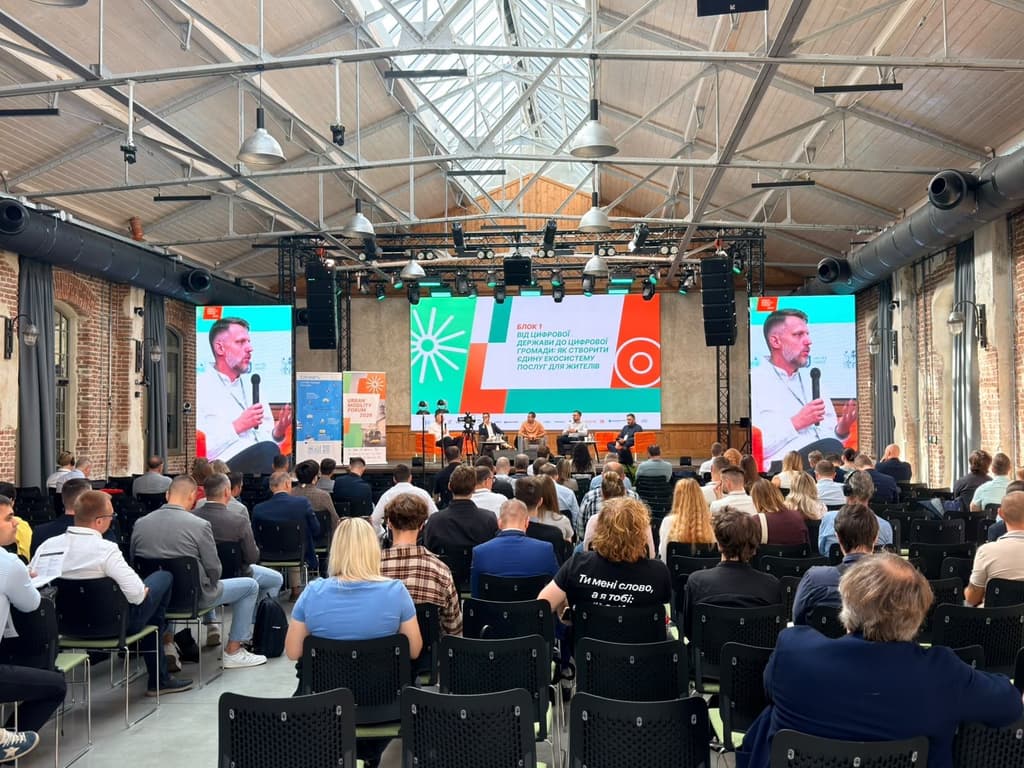
Аccessibility at Events: What Organizers Need to Consider
When organizing conferences, forums, training sessions, or other public events, we often see the same mistake: accessibility is reduced to the presence of individual technical solutions. There is a ramp or a lift — so the venue is considered accessible. In reality, this is only one of many elements. The recent experience of Mykola Nadulichnyi, Head of the Luhansk Association of Organizations of Persons with Disabilities (LAOPD), at Urban Mobility Forum 2026 in Lviv once again demonstrated that problems arise when organizers fail to consider the participant’s entire barrier-free journey. A person should be able to independently: • find the registration desk and the appropriate conference room; • move between different levels and areas of the venue; • access up-to-date information about the programme; • use restrooms, catering areas, and other facilities; • have access to a comfortable place to rest; • receive information in accessible formats. It is equally important to consider the needs of people with hearing and visual impairments. Visual duplication of information, Ukrainian Sign Language interpretation, clear navigation, and solutions that enable independent orientation should be planned before the event begins — not after a participant has already encountered a barrier. Another important principle: staff assistance cannot replace accessibility. It is good to have someone nearby who is ready to help. But a participant should not have to repeatedly ask someone to lift them, guide them, bring them a cup of coffee, or explain where they need to go. Accessibility means being able to remain as independent as possible. That is why accessibility should be planned just as carefully as the event programme, stage, catering, or communications. Because inclusion does not begin with words written in a forum programme. It begins with the experience of the person who comes to that forum.
09.09.2026
Read more
News
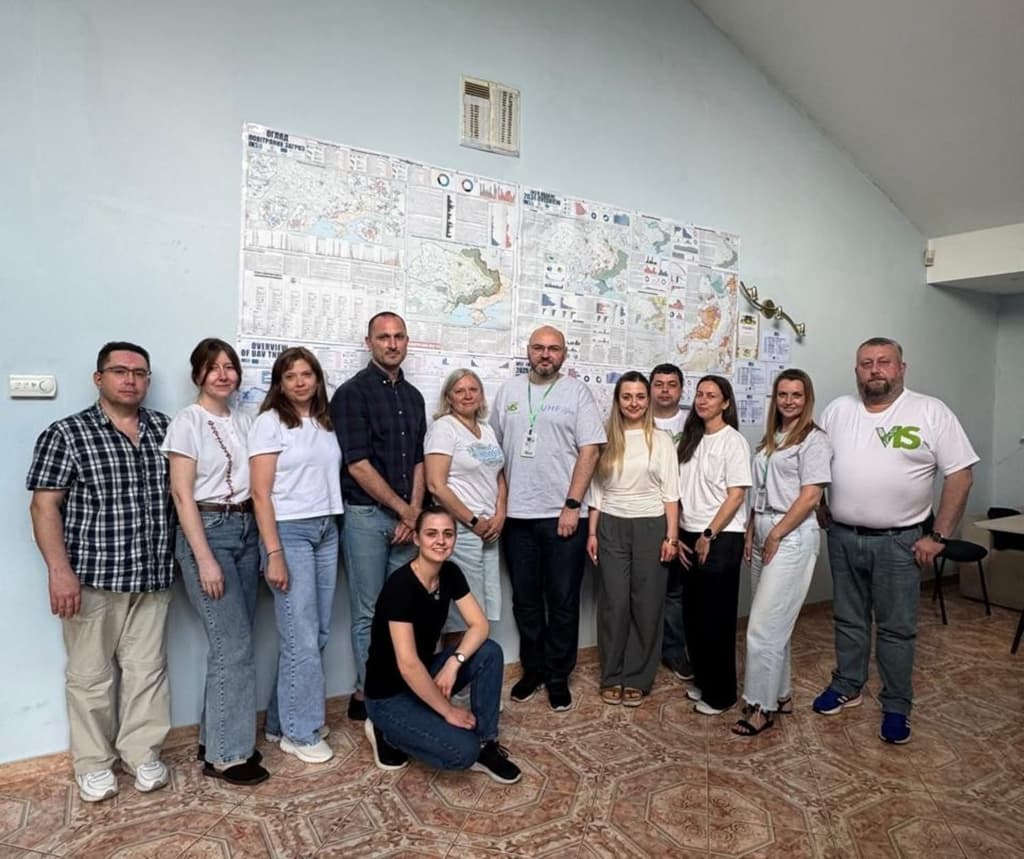
From Launch to Joint Action: Project Partners Hold Kick-Off Meeting to Support IDPs
The team of the Luhansk Association of Organizations of Persons with Disabilities took part in the kick-off meeting of partners implementing the new humanitarian project, “Integrated Protection, Health Assistance and Inclusion for Vulnerable Newly Displaced Persons, Internally Displaced Persons and Other Particularly Vulnerable Population Groups in Dnipropetrovsk, Zaporizhzhia and Donetsk Regions.” The project is already underway, so the meeting focused primarily on how the partners will work together in the coming months. Representatives of the partner organizations introduced their teams and areas of work and discussed in detail the project components, division of responsibilities, and mechanisms for coordination and cooperation. Particular attention was paid to practical matters, including coordination of activities within communities, administrative and financial procedures, as well as the safety of teams working in regions where the security situation remains challenging. An important part of the meeting was sharing experience from previous joint initiatives. The partners discussed which approaches have already proven effective, what lessons should be taken into account, and how to make assistance even more accessible to people who need it. For the Luhansk Association of Organizations of Persons with Disabilities, meetings like this are, above all, an opportunity to align the partners’ work from the very beginning, so that each area of activity functions as part of a single coordinated mechanism and the necessary support reaches people in communities in a timely manner. The agreements have been documented, responsibilities defined, and the teams are ready to move forward. The next step is to implement the planned activities directly in the communities. The project is supported by the Ukraine Humanitarian Fund (UHF) and implemented by the Luhansk Association of Organizations of Persons with Disabilities (LAOPD) and Volontariato Internazionale per lo Sviluppo (VIS).
08.09.2026
Read more