Barrier-free culture: how institutions in Lviv region are changing


08.12.2025
Articles
Barrier-free access does not begin with loud words. It appears where there is systematic work, a professional approach, and a willingness to take responsibility. This is exactly how cultural institutions in Lviv region are changing today.
The Luhansk Association of Organisations of Persons with Disabilities and its head, Mykola Nadulychny, are working consistently with the authorities — not through declarations, but through inspections, recommendations and ongoing dialogue. Where issues of accessibility have been put off for years, real solutions are beginning to emerge.
Currently, work to improve accessibility is underway in several landmark institutions in the region: the Lviv Museum of the History of Religion, the Lviv Palace of Arts, and the Myroslav Skoryk Lviv National Philharmonic.
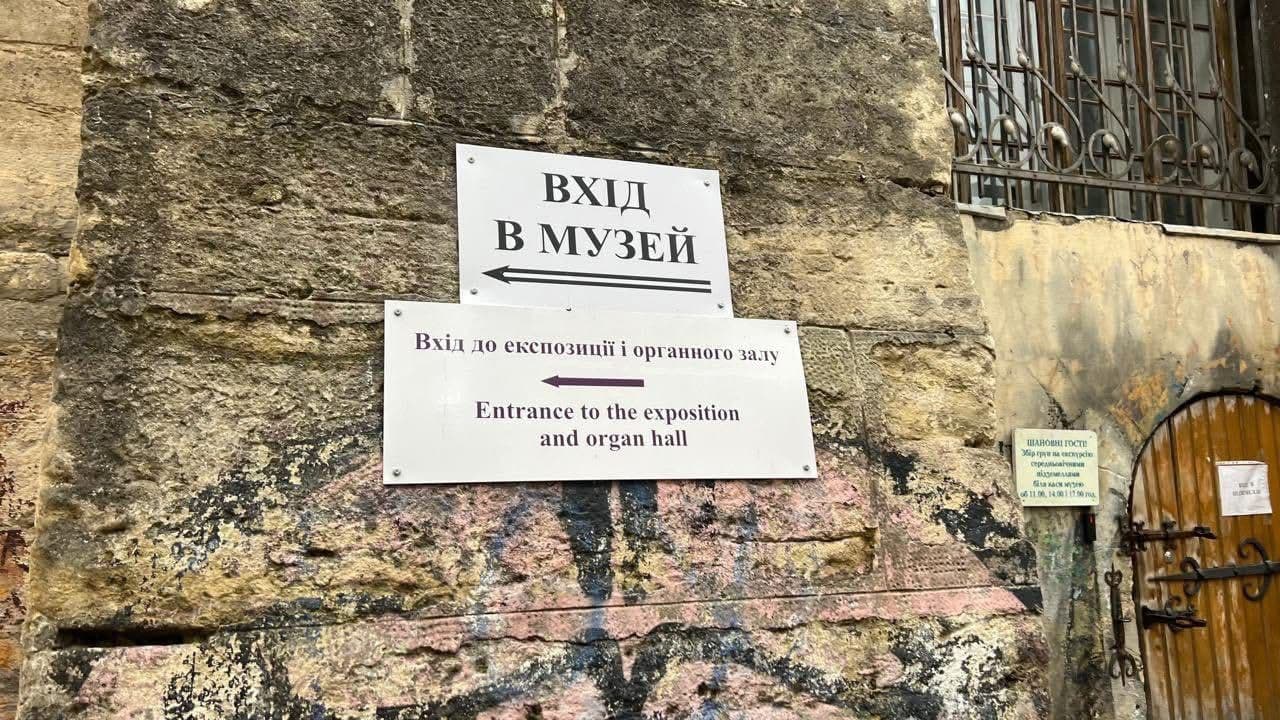
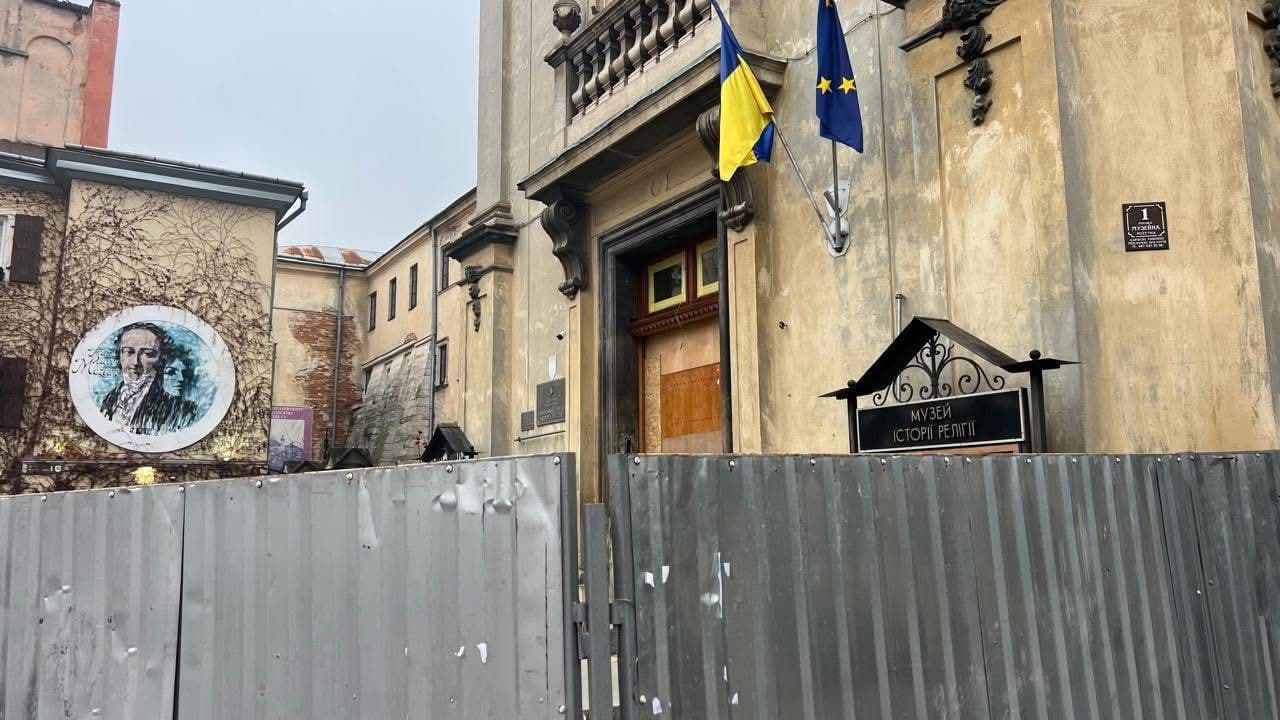
At the Museum of the History of Religion, an architectural monument from the 14th–18th centuries, the stairs are being widened, a ramp is being prepared for the main entrance, internal thresholds and steps are being removed, clear routes are being created, and an accessible toilet is being installed. Every decision is made with the requirements for preserving historical heritage in mind.
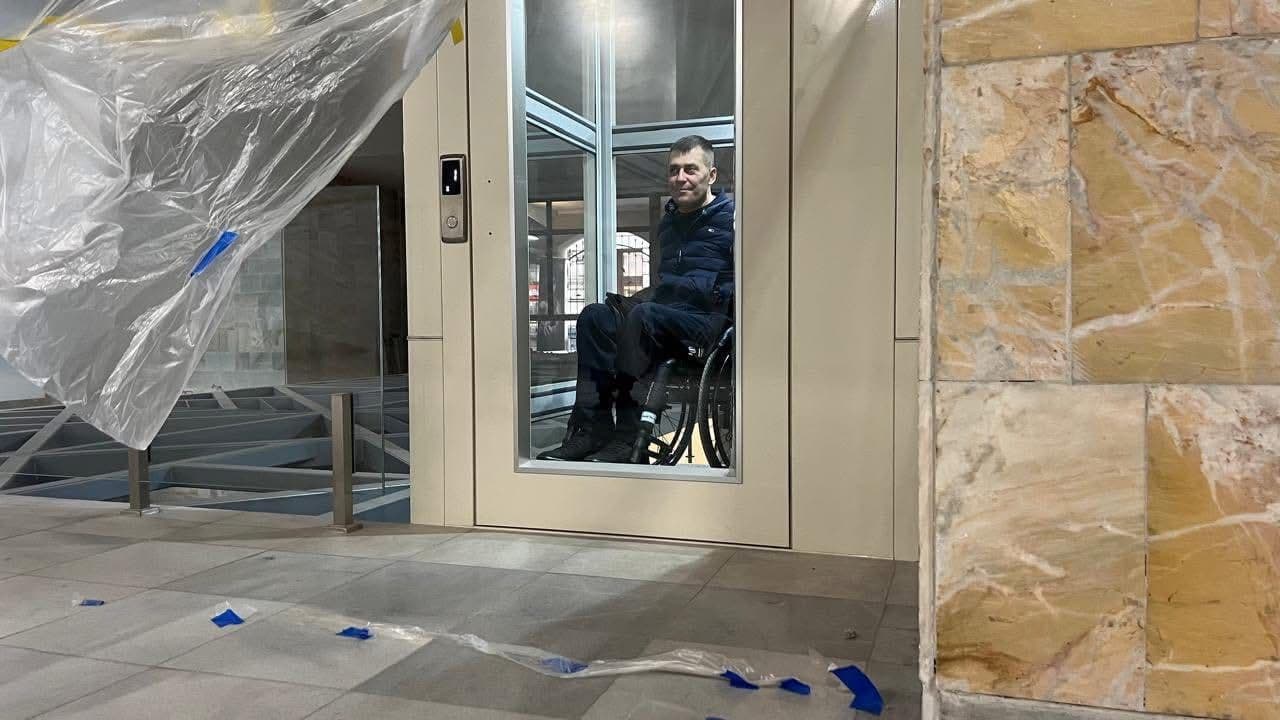
The Lviv Palace of Arts already has a lift to all floors and a lift to the basement level. Accessible toilets are being installed, a mother and child room is in operation, and a new entrance area with automatic doors is currently being implemented. Mykola Nadulychny personally checked the infrastructure solutions while moving around in a wheelchair.
The National Philharmonic plans to install an electric lift from the stalls to the stage, has purchased a system for people who use hearing aids, is continuing to refurbish the toilets and is preparing to install tactile Braille signs.
In the summer, the LAOPD team surveyed a number of Lviv Regional Council institutions — cultural, medical and administrative buildings — and provided practical recommendations. Some of them are already being implemented.
“Yes, historic buildings are complex and expensive. But that is precisely why the state and local authorities must seek solutions to ensure accessibility where there are the most people,” emphasises Mykola Nadulychny.
Barrier-free culture is not an optional extra. It is a sign of respect for veterans, people with disabilities, older people and parents with children. It is about feeling welcome.
This is what real civil society influence on government decisions looks like. And this is how, step by step, a country without barriers is being built.
News and events
All publicationsArticles

Barrier-free culture: how institutions in Lviv region are changing
Barrier-free access does not begin with loud words. It appears where there is systematic work, a professional approach, and a willingness to take responsibility. This is exactly how cultural institutions in Lviv region are changing today. The Luhansk Association of Organisations of Persons with Disabilities and its head, Mykola Nadulychny, are working consistently with the authorities — not through declarations, but through inspections, recommendations and ongoing dialogue. Where issues of accessibility have been put off for years, real solutions are beginning to emerge. Currently, work to improve accessibility is underway in several landmark institutions in the region: the Lviv Museum of the History of Religion, the Lviv Palace of Arts, and the Myroslav Skoryk Lviv National Philharmonic. At the Museum of the History of Religion, an architectural monument from the 14th–18th centuries, the stairs are being widened, a ramp is being prepared for the main entrance, internal thresholds and steps are being removed, clear routes are being created, and an accessible toilet is being installed. Every decision is made with the requirements for preserving historical heritage in mind. The Lviv Palace of Arts already has a lift to all floors and a lift to the basement level. Accessible toilets are being installed, a mother and child room is in operation, and a new entrance area with automatic doors is currently being implemented. Mykola Nadulychny personally checked the infrastructure solutions while moving around in a wheelchair. The National Philharmonic plans to install an electric lift from the stalls to the stage, has purchased a system for people who use hearing aids, is continuing to refurbish the toilets and is preparing to install tactile Braille signs. In the summer, the LAOPD team surveyed a number of Lviv Regional Council institutions — cultural, medical and administrative buildings — and provided practical recommendations. Some of them are already being implemented. “Yes, historic buildings are complex and expensive. But that is precisely why the state and local authorities must seek solutions to ensure accessibility where there are the most people,” emphasises Mykola Nadulychny. Barrier-free culture is not an optional extra. It is a sign of respect for veterans, people with disabilities, older people and parents with children. It is about feeling welcome. This is what real civil society influence on government decisions looks like. And this is how, step by step, a country without barriers is being built.
08.12.2025
Read more
News

Action enhances digital accessibility for people with disabilities
The state application and portal Diya continue to implement changes aimed at improving the accessibility of digital services for people with disabilities. The latest update focuses on improving the user experience for people with visual impairments and those who use assistive technologies. The changes do not concern the visual design, but rather the logic of interaction with the service. It is about a more attentive and systematic approach to how people actually use government online services. Key updates include: all buttons and interface elements have been given correct text labels that are correctly read by screen readers; the contrast of the text has been increased for easier perception of information; keyboard navigation and focus visibility have been improved; the ability to quickly navigate to the main content of the page has been added; error messages have become clearer and less cluttered; the readability of PDF files has been improved. These changes reduce barriers to using services and allow people with disabilities to access public services without additional difficulties or outside assistance. Work on digital accessibility Actions are taken based on the results of audits and recommendations from the Digital Accessibility Competence Centre, established by the Ministry of Digital Transformation in partnership with UNDP and with the support of the Government of Sweden. Digital accessibility is not a separate function, but a basic requirement for modern public services. When a system takes into account the needs of different users, it becomes more understandable, reliable and truly people-oriented.
07.12.2025
Read more
Events

Gratitude to those who hold up the sky and earth of Ukraine
We thank everyone who protects Ukraine's sky and land. The military personnel who defend our lives, our communities, and our right to be at home every day. The Luhansk Association of Organisations of Persons with Disabilities has always supported and continues to support our defenders — the main strength and support of the country. At the same time, we work with vulnerable groups whose lives you protect by holding up a shield of defence every day. It is thanks to you that communities are able to live, recover and develop. Your strength is our security. Your courage is an opportunity to build a barrier-free, humane and just country. We thank each and every one of you who serves. Glory to the Armed Forces of Ukraine.
06.12.2025
Read more